When you search for lesson plans for 2 year olds, you probably are not hoping to recreate a preschool classroom before breakfast. You want a few ideas that make sense for a busy toddler, use things already in your home, and do not end with everyone crying over spilled water. I spent eight years watching toddlers learn in a classroom, and now I use the same simple principles with my two-year-old, Mae.
At this age, learning is active, brief, and wonderfully repetitive. A two-year-old may spend ten minutes sorting socks, then abandon the activity to push a truck under the couch. That is not a failed lesson. It is a normal toddler attention span. The goal is not a perfect craft or an impressive finished product. It is giving your child chances to talk, move, notice, pretend, and try again.
What a Good Toddler Lesson Includes
The best lesson plans for 2 year olds usually have one clear idea and several ways to explore it. A color activity can include naming colors, matching objects, making a choice, and practicing words such as more, same, and different. You do not need a worksheet for each skill. A laundry basket, plastic cups, sidewalk chalk, or a stack of board books can become useful learning materials.
Keep the activity flexible. Start with a short invitation: Put the red cup here. Then wait. Your child might match the cup, fill it with blocks, or wear it as a hat. Follow the play while adding simple language. You can say, The cup is full, or The blue block fell out. This builds vocabulary without turning play into a quiz.
Aim for five to fifteen minutes of focused activity, especially if your child has recently woken up, skipped a nap, or is hungry. Toddlers learn throughout the day, including while washing hands, helping unload groceries, and climbing safely at the playground. One planned activity is plenty for a morning.
Five Low-Prep Activities for a Two-Year-Old
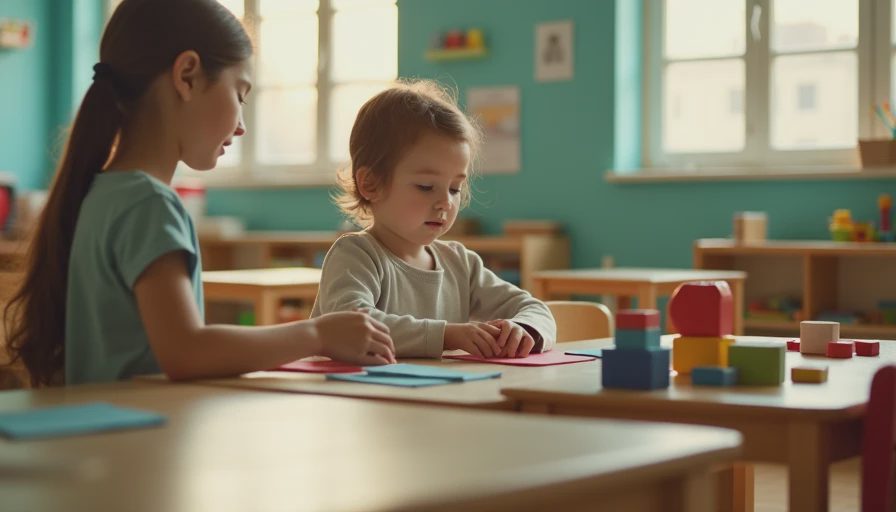
A simple color hunt works indoors or outside. Choose two colors and invite your child to find objects that match. Put a blue sock and a yellow block in a basket, then look for more blue and yellow items together. Do not worry if the colors are mixed up. The conversation and searching matter more than a correct answer.
For early math, try snack counting. Place three banana slices on a plate and count slowly as your child touches each one. Add one more and say, Now there are four. This is not about memorizing numbers. It is about connecting number words with real objects. You can do the same thing with cars, stuffed animals, or steps on the way to the mailbox.
A water transfer activity builds coordination and problem-solving. Put a small amount of water in a plastic bin with two cups and a large spoon. Set it on a towel and stay close. Your child can scoop, pour, and watch what happens when the cup overflows. Use warm water and skip this activity if close supervision is not possible; toddlers can drown in very little water.
For language development, look through a familiar picture book and pause before naming something your child knows. Ask, What is this? If there is no answer, simply say, Dog. The pause gives your toddler a chance to respond without pressure. Songs with motions work well too because gestures give meaning to words.
Finally, make a pretend-play basket with a toy phone, cloth napkins, a wooden spoon, and an empty food container. Toddlers learn social language by copying everyday routines. Mae often pretends to make muffins, and her play usually includes a great deal of stirring, serving, and telling everyone that the muffins are hot.
How to Plan a Calm Learning Rhythm
The most useful lesson plans for 2 year olds fit into your existing day. You might offer a movement activity after breakfast, a book before lunch, and a sensory activity while you prepare dinner. This rhythm is more sustainable than planning a full school schedule with separate subjects and transitions.
Try choosing one activity from each of three areas during the week: movement, language, and practical life. Movement could be an obstacle path made from couch cushions. Language could be a walk where you name birds, trucks, leaves, and sounds. Practical life could be washing plastic dishes, matching socks, or placing napkins on the table. These ordinary jobs build coordination and independence while making your day easier.
Repeat favorites. If your child asks for the same farm book every night, that repetition is doing useful work. Familiar stories help children predict what comes next and notice new details. The same is true for songs, sorting games, and pretend routines. You do not have to invent a fresh activity every afternoon.
Adjusting Activities for Real Toddler Days
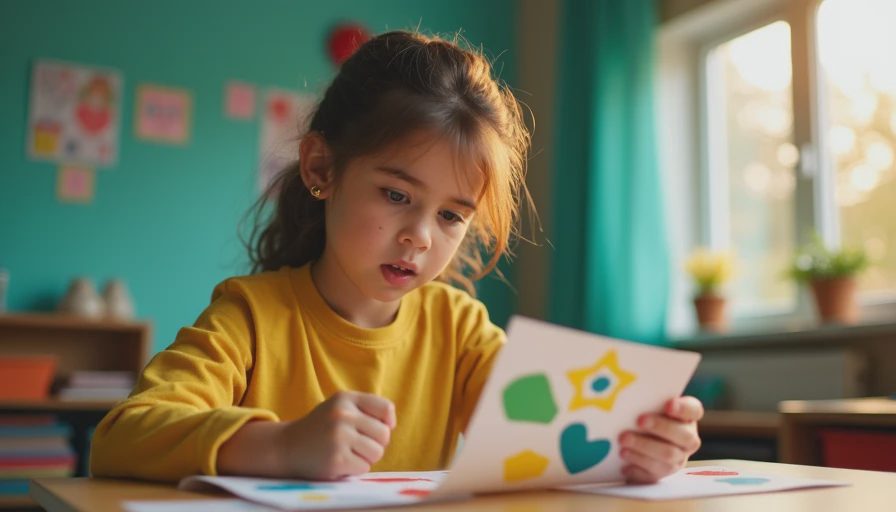
Some days your child will participate beautifully. Other days, the planned activity will last thirty seconds before a meltdown begins. Check the basics first: hunger, tiredness, too much noise, or a difficult transition. A child who cannot sit for a puzzle after daycare may happily do it the next morning.
Make activities easier when your toddler is struggling. Offer two pieces instead of ten. Sit beside your child rather than giving instructions from across the room. Use fewer words and demonstrate once. If the activity becomes frustrating, stop while you can still end calmly. Learning to step away and return later is part of the skill, too.
You can also make an activity more challenging without making it academic. Ask your child to carry two napkins instead of one, describe which container is empty, or decide whether a toy belongs in the kitchen or bedroom basket. These small choices support memory, language, classification, and independence in a way that feels like ordinary life.
A Simple Weekly Plan You Can Actually Use
On Monday, try a color hunt with laundry or toys. On Tuesday, read one favorite book and act out the story with stuffed animals. On Wednesday, provide play dough with large cookie cutters, watching closely and keeping small pieces away from children who still mouth objects. On Thursday, count steps, socks, or pieces of fruit during a routine. On Friday, make a music basket with shakers, wooden spoons, or sealed containers filled with large dry pasta.
This kind of weekly outline is enough. You do not need themed decorations, special curriculum boxes, or an hour of structured teaching. If your child is interested, extend the play. If not, move on. The learning is still happening through conversation, repetition, movement, and connection.
When reviewing lesson plans for 2 year olds, ask whether the idea is safe, simple, and flexible. Can your child explore it with some independence? Can you follow their interest instead of correcting every attempt? Can the materials be put away without a major production? If the answer is yes, you have a useful activity.
I keep a small notebook for Mae and jot down what she repeats, what she avoids, and what makes her light up. It is not a scorecard. It helps me notice patterns, such as her loving sorting after breakfast but needing more movement before stories. You can observe without comparing your child to another toddler. Development is uneven, and a quiet week does not mean your child is falling behind.
The best lesson plans for 2 year olds leave room for real life: the spilled water, the unfinished puzzle, the sudden request for a snack, and the book read four times in a row. Offer a little structure, then let your toddler lead. It's a season, not a race.
Travellers Write
No letters yet — be the first traveller to write.