Teaching 2 3 year olds does not require a craft room, a color-coded schedule, or a toddler who sits happily at a table. At this age, learning happens while your child pours water, argues about socks, helps wash blueberries, and asks the same question 19 times. I spent eight years watching toddlers learn in preschool classrooms, and now I watch my two-year-old, Mae, do it at home. The biggest lesson is simple: connection and repetition beat pressure every time.
What toddlers are ready to learn
Two- and three-year-olds are building language, movement, social skills, problem-solving, and early math concepts all at once. They are not expected to read, write, or complete worksheets independently. A child may recognize a few letters while still needing help putting on pants. Another may count to 20 but struggle to wait for a turn. Development is uneven because the brain is growing in bursts, not following a tidy checklist.
When teaching 2 3 year olds, focus on the process rather than a perfect result. Say, “You tried three ways to fit that piece,” instead of “You are so smart.” Describe what you see: “The blue block is taller,” or “You kept scooping even when the rice spilled.” This gives your child useful language and makes persistence feel more important than getting everything right.
Keep activities short. Five focused minutes can be plenty, especially after a poor night of sleep or a skipped snack. If your toddler wanders away, the lesson is over for now. That is not defiance or failure; it is information about their attention and energy.
Easy language activities for everyday moments
Talking with your child is one of the most valuable forms of early learning. During a walk, name what you see, then pause long enough for your toddler to respond. “That truck is loud. What sound does it make?” If they answer with “beep,” you can expand it: “Yes, the big truck goes beep-beep.” Expanding, rather than correcting, helps children hear how sentences grow.
Read the same books repeatedly without apologizing for the repetition. Familiar stories invite participation. Pause before a predictable word, ask what might happen next, or let your child turn the pages. Board books about animals, vehicles, feelings, and daily routines are useful because toddlers can connect the pictures to real life.
Songs add rhythm, memory, and body movement. Try “Itsy Bitsy Spider,” “Wheels on the Bus,” or a made-up song about putting toys away. For children learning two languages, use both languages naturally. There is no need to separate every word or turn home conversation into a test. A rich, responsive conversation matters more than flashcards.
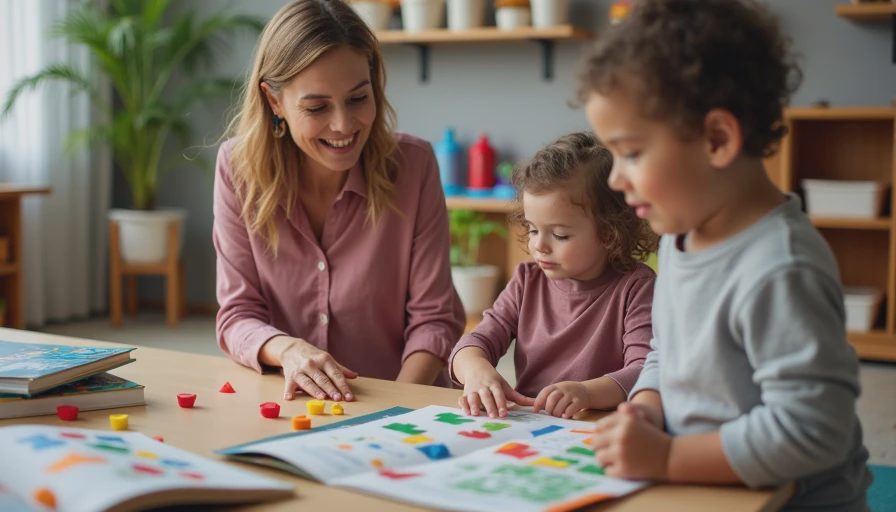
A practical trick for teaching 2 3 year olds is to offer choices that invite words: “Do you want the apple or banana?” Once your child answers, model a fuller phrase without demanding repetition. “Banana, please” can follow a simple “banana.” Children often speak more when they feel heard, not when they feel examined.
Counting, sorting, and problem-solving without worksheets
Early math begins with ordinary objects. Ask your child to put one napkin at each place, count socks from the laundry basket, or sort blocks by color. At the grocery store, compare two apples: “This one is bigger. This one is smaller.” In the bathtub, fill a cup and say, “It is full,” then pour it out and describe “empty.” These experiences build concepts that worksheets cannot replace.
Use small groups of safe household items, such as large plastic lids, chunky blocks, or toy animals. Ask questions with more than one possible answer: “How could we make a bed for the bear?” or “Which cars can fit in this box?” Give your child time to experiment before stepping in. A little frustration is useful when you remain nearby and calm.
Safety still matters. Avoid small objects that could be choking hazards, supervise water play closely, and choose materials that match your child’s abilities. Learning should be hands-on, but it should not require you to hover over every move with panic.
Sensory play and creative work
Teaching 2 3 year olds through sensory play can look delightfully messy. Put a towel under a shallow bin of water and add cups, a sponge, and a large spoon. Let your child wash plastic animals or transfer water from one container to another. Outside, use sidewalk chalk, sticks, leaves, and mud. Inside, play with play dough made for young children while supervising closely.
Art at this age is about marks, movement, and choices. Offer chunky crayons and large paper taped to the table. Avoid drawing a model and asking your toddler to copy it. Instead, describe the action: “You made long red lines,” or “You pressed hard and made a dark circle.” If the finished picture looks like nothing recognizable, that is completely normal. The meaning is often in the story your child tells about it.
I keep a small basket with paper, washable crayons, painter’s tape, and a few stickers. It is not an elaborate invitation to play. It is simply available when Mae wants to create while I make dinner. Five minutes of independent work feels like a tiny miracle on a busy evening.
Independence is part of early learning
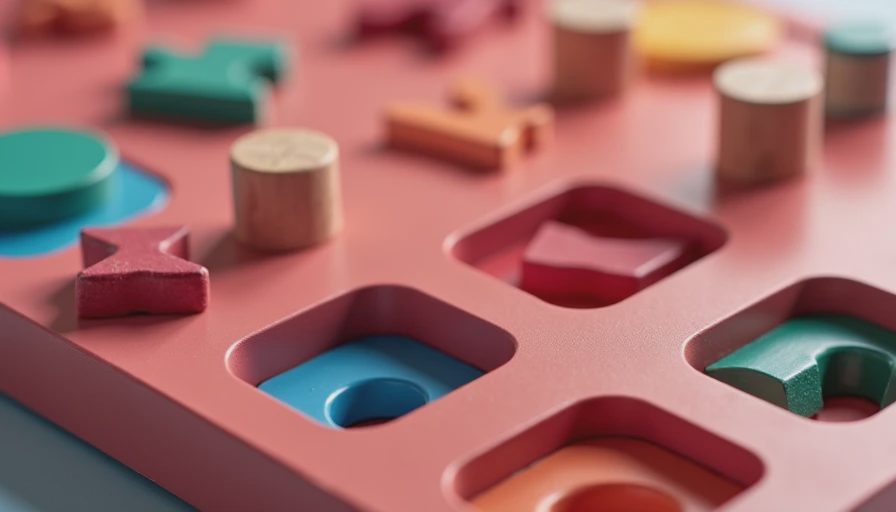
Some of the best teaching 2 3 year olds happens when you slow down enough to let them help. Invite your child to carry a light napkin, put dirty clothes in a hamper, wipe a small spill, or place shoes by the door. The task will take longer and may not look perfect. That is the tradeoff for practicing coordination, sequencing, responsibility, and confidence.
Give one direction at a time. “Put the cup on the table” is easier to follow than “Clean up everything before dinner.” Use a picture routine if transitions are hard: toilet, hands, snack, shoes, car. Toddlers understand visual reminders better than long explanations delivered while they are already melting down.
Expect resistance. A child can know exactly how to put on a jacket and still yell because you asked. Independence and cooperation develop together, unevenly. You can hold the boundary while acknowledging the feeling: “You wanted me to do it. I will help with the sleeve, and you can pull the zipper.”
A realistic daily rhythm
Teaching 2 3 year olds works best when learning is woven into a predictable day. You might read after breakfast, count steps on the way outside, sing during diapering or toileting, and sort laundry before lunch. After nap or quiet time, offer a short sensory activity or a walk. Bedtime can include one familiar book and a conversation about the day.
You do not need to fill every minute. Unstructured play is where toddlers practice imagination, negotiation, and problem-solving. Screen time, when used, does not cancel out your parenting or your child’s development. Choose age-appropriate content, watch when possible, and protect sleep, movement, and face-to-face connection.
If you are worried about speech, hearing, movement, play, or a loss of skills, write down specific examples and bring them to your child’s pediatrician. Early intervention programs can assess development and support families without waiting for a crisis. Asking questions is responsible, not dramatic.
The goal of teaching 2 3 year olds is not to produce a tiny student who performs on command. It is to give your child language, time, safe materials, and a dependable adult who notices effort. Some days the planned activity will end in spilled water and tears. Other days your toddler will suddenly use a new word or solve a problem you thought was impossible. Both days count. It’s a season, not a race.

Travellers Write
No letters yet — be the first traveller to write.