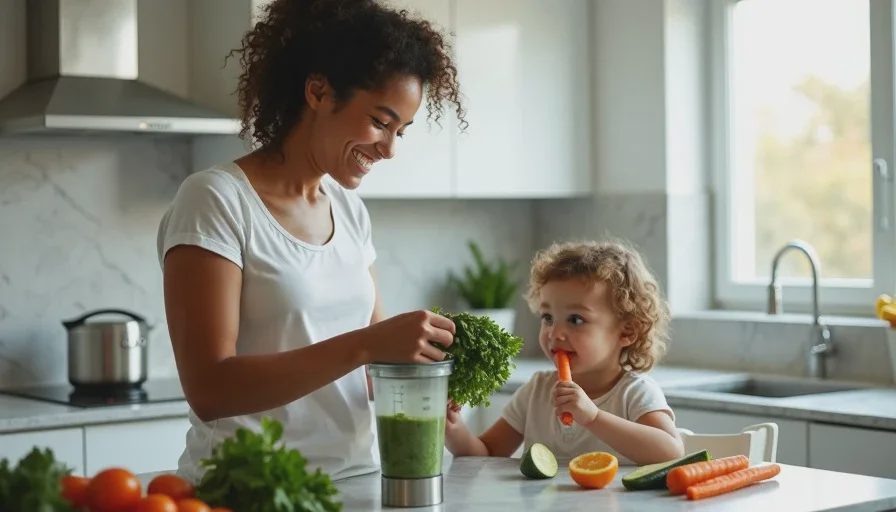
There's a debate in the parenting world about whether you should hide vegetables in toddler food, and I find it exhausting. On one side: "If you hide vegetables, you're teaching your kid that vegetables are something to be sneaked, not enjoyed." On the other: "My kid hasn't eaten a visible vegetable in six months and I'm doing what I have to do." I've been a preschool teacher for 8 years and a mom for 6, and here's where I land: hiding vegetables is fine. It's not a moral failing. But it's also not the only strategy, and if that's all you do, you'll be hiding spinach in brownies when your kid is 12. Let me share what I actually do with Mae, who is a picky eater toddler in the most ordinary way possible — she loved broccoli last month and acts like it's poison this month.
The Great Hide-vs-Expose Debate
Let me be clear about what the two camps are actually arguing. The "hide" camp says: blend vegetables into sauces, muffins, and smoothies so your kid gets nutrients without the battle. The "expose" camp says: put vegetables on the plate, let your kid see them, and trust that repeated exposure will eventually lead to acceptance.
Both are right, and both are incomplete. Hiding without exposing means your kid never learns to eat vegetables as they are. Exposing without hiding means some kids go months or years without eating meaningful amounts of vegetables. The answer, in my experience, is both — hide and expose, at the same time, without pressure.
Why I Don't Feel Guilty About Hiding
In my classroom, I watched 12 toddlers eat lunch every day for years. The variation in what kids would eat was enormous. One kid ate raw bell peppers like apples. Another wouldn't touch anything green. Same age, same environment, same food offered. Toddlers are wired to be cautious about food — it's an evolutionary survival mechanism. New colors, textures, and tastes trigger a caution response because from a developmental standpoint, unfamiliar food might be dangerous. Knowing that helps. Your picky eater toddler isn't being difficult. They're being 2.
I hide vegetables in Mae's food because I want her to get the nutrients, and I also put visible vegetables on her plate because I want her to learn they're a normal part of eating. The two strategies aren't in conflict.
What I Actually Do With Mae
Here's my approach, which I've refined over the past year of logging Mae's eating in my toddler field notebook. These are the strategies I rotate through, and what I've observed:
Strategy | Food | What It Looks Like | Does It Work for Mae? |
|---|---|---|---|
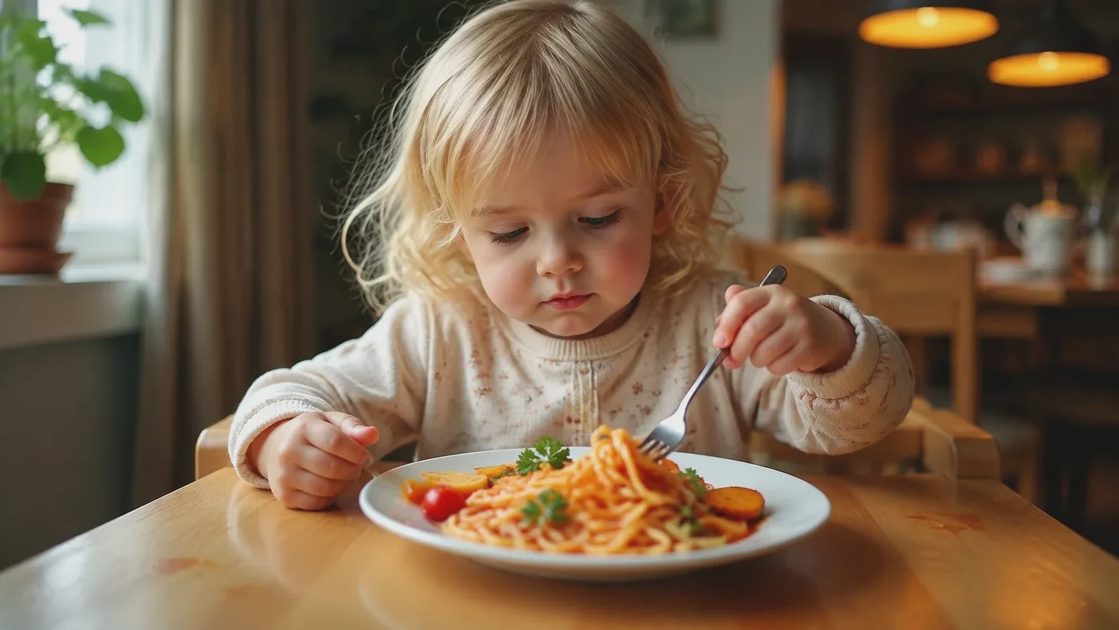
Blend into sauce | Marinara pasta sauce | Puréed carrots, zucchini, spinach blended in | Yes — she eats it without noticing |
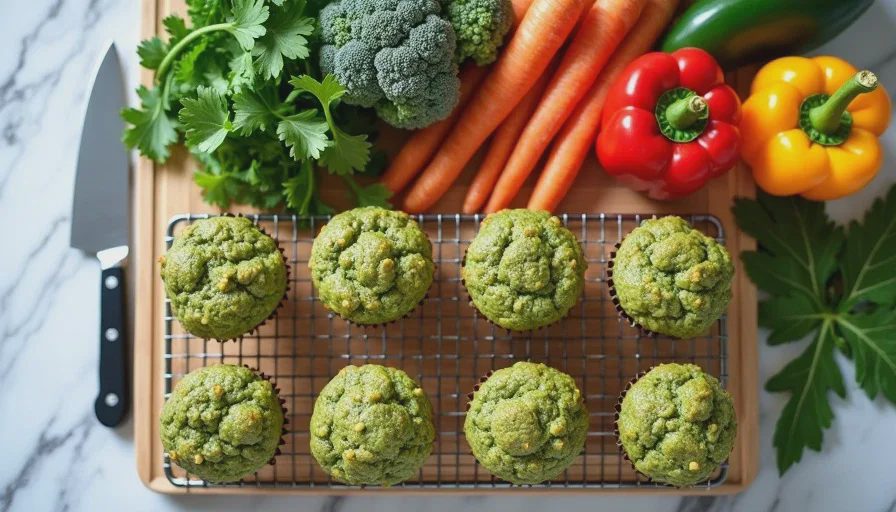
Bake into muffins | Spinach banana muffins | Spinach blended into the batter, green tint | Yes — she calls them "green muffins" |
Mix into ground meat | Turkey meatballs | Finely grated carrot and onion mixed in | Sometimes — depends on texture |
Smoothies | Berry smoothie | Spinach or kale, frozen banana, yogurt | Yes — the purple color hides the green |
Serve alongside a favorite | Roasted sweet potato next to mac and cheese | Visible, separate, no pressure to eat it | Slowly — she tasted it last week for the first time |
Roast until crispy | Kale chips | Tossed with olive oil, baked until crisp | No — she spit it out, but she tried it |
That last one is important. She tried the kale chip. She didn't like it. I logged it in my notebook: "Kale chip — tasted, rejected. Progress." Because tasting is progress. Exposure isn't about eating; it's about encountering. The eating comes later, sometimes much later.
A Recipe I Actually Use
One of my go-to toddler meal ideas is what I call "hidden veggie pasta." It's nothing fancy. I sauté grated carrots, zucchini, and a handful of spinach in olive oil until soft, blend it with a jar of marinara, and serve over pasta with a little parmesan. Mae eats it every time. Ollie eats it every time. Mike doesn't know there's spinach in it, and I haven't told him.
Another regular in our rotation: spinach banana muffins. I blend a handful of fresh spinach into the wet ingredients before mixing. They come out slightly green, which Mae thinks is hilarious. She calls them "dinosaur muffins." The point isn't that she's eating spinach — it's that she's eating something homemade, relatively low in sugar, and she associates vegetables with something fun.
When Hiding Isn't Enough
Hiding vegetables gets nutrients in, but it doesn't teach a kid to eat vegetables. If Mae only ever ate hidden vegetables, she'd never develop the comfort and familiarity that leads to independent vegetable eating. That's where low-pressure exposure comes in.
Low-Pressure Exposure: The Other Half
Low-pressure means the vegetable is on the plate, and that's it. No "take one bite." No "just try it." No negotiating, no rewarding, no commenting. The vegetable is there, and Mae can ignore it, touch it, smell it, or eat it. Every one of those actions is a form of exposure that builds familiarity.
In my classroom, I saw this work over months, not days. A kid who wouldn't touch a cucumber in September would be eating cucumber slices by March. Not because we made them — because the cucumber was there, every day, and eventually it became familiar enough to try.
I apply the same principle at home. Here are the vegetables I currently rotate onto Mae's plate:
Carrot sticks (offered weekly, rarely eaten)
Cucumber slices (offered weekly, sometimes licked)
Roasted broccoli (offered monthly, eaten twice in the past year)
Bell pepper strips (offered weekly, ignored for now)
Steamed green beans (offered monthly, tasted once)
That list might look discouraging. But "rarely eaten" and "ignored" are not failures — they're exposures. Every time Mae sees a carrot stick on her plate, her brain registers it as familiar. Familiarity is the bridge to trying, and trying is the bridge to eating.
What I Want You to Take Away
If you're hiding vegetables in your kid's food, you're doing fine. You're not ruining their relationship with food. You're getting nutrients into a body that needs them, during a developmental phase when caution about new food is completely normal.
If you're only hiding and never exposing, add one thing: put a visible vegetable on the plate alongside the hidden one. Don't comment on it. Don't ask them to eat it. Just let it be there.
And if your kid hasn't eaten a vegetable in a month, or three months, or six months — that's normal for this age. Keep offering. Keep hiding if you need to. Keep the pressure off. The eating will come.
It's a season, not a race. The toddler who won't touch a carrot today is the same kid who might ask for one next month, or next year. I've watched it happen with hundreds of kids in my classroom, and I'm watching it happen with Mae right now. Your job isn't to make them eat vegetables. Your job is to keep offering them.

Travellers Write
No letters yet — be the first traveller to write.