A good toddler lunch idea does not need to look like a tiny bento masterpiece. It needs to be reasonably balanced, safe for your child's eating skills, and realistic enough that you can make it while someone is asking for a blue cup. After eight years in early-childhood classrooms and two years feeding my own daughter Mae, I have learned that simple food usually wins.
Toddlers often eat unpredictably. One day, they happily finish scrambled eggs and peas; the next day, they reject anything that touched the plate. That is normal. Your job is to offer food without turning lunch into a negotiation marathon. Their job is to decide whether and how much to eat.
Start with a simple lunch formula
When I am staring into the refrigerator at 11:47 a.m., I use a three-part formula: one filling food, one fruit or vegetable, and one familiar food. The filling option might be beans, egg, yogurt, cheese, chicken, tofu, or whole-grain bread. Produce can be fresh, frozen, roasted, or blended into a dip. The familiar food is the item your toddler reliably accepts, such as crackers, berries, rice, or a tortilla.
This formula makes a toddler lunch idea easier because you do not have to invent a complete recipe every day. Try a quesadilla with black beans, avocado, and orange slices. Serve Greek yogurt with soft granola, banana, and toast fingers. Pair shredded chicken with rice, cucumber sticks, and applesauce. These meals have different colors, textures, and flavors, but none requires a separate cooking project.
Portion size can be surprisingly small. A few tablespoons of each item may be enough to start. You can offer more when your child asks, but a plate piled high can feel overwhelming to a two-year-old.
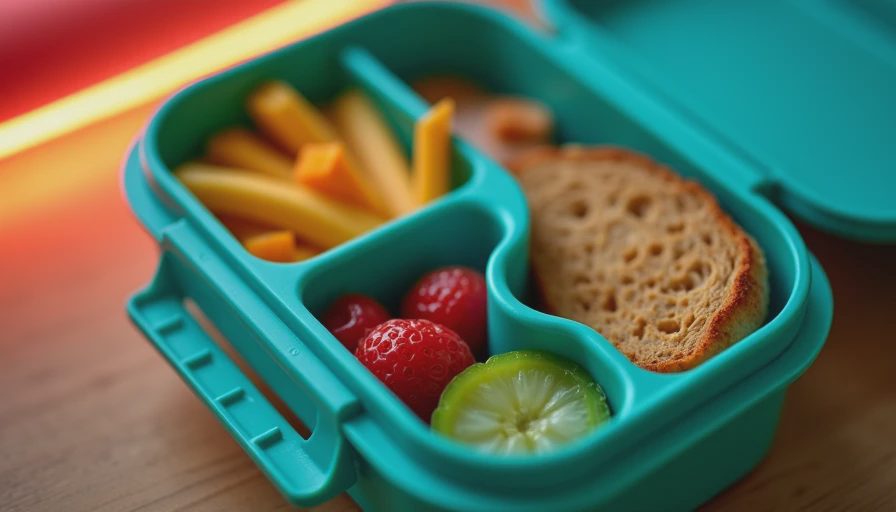
Toddler lunch idea combinations that travel well
For daycare, preschool, or a picnic, choose foods that hold their shape and do not depend on being piping hot. A mini turkey-and-cheese sandwich cut into squares is an easy toddler lunch idea, especially when paired with halved blueberries and steamed broccoli. If sandwiches are currently unacceptable, try the same ingredients separately with a tortilla strip on the side.
Pasta salad can work well when it is soft and lightly dressed. Mix small pasta shapes with peas, shredded mozzarella, and finely chopped chicken. Another toddler lunch idea is a snack plate with hummus, pita triangles, roasted sweet potato cubes, and pear slices. Use a thin spread of hummus and supervise closely, since thick spoonfuls of sticky foods can be difficult for young children to manage.
For a warm thermos, consider oatmeal with cinnamon and diced banana, lentil soup with soft bread, or macaroni with peas. Test the temperature before serving. Food in an insulated container can stay hot longer than expected, and toddlers are not patient food critics when they are hungry.
Five-minute lunches for the hardest days
Some days lunch happens after a grocery trip, a tantrum, and a diaper leak. On those days, a toddler lunch idea should be assembly rather than cooking. Put cottage cheese, toast, cucumber, and peaches on a plate. Make a peanut or sunflower butter sandwich if your child has already been safely introduced to that spread. Add milk or water and call it lunch.
Another fast combination is leftover rice mixed with scrambled egg and a few soft vegetables. You can microwave the rice, stir in the egg, and serve it warm after checking the temperature. A baked potato topped with shredded cheese and plain yogurt is also filling and takes little hands-on time.
Frozen foods can help without becoming the entire menu. Look for lower-sodium options when convenient, such as frozen peas, plain vegetables, or small meatballs with a short ingredient list. A toddler lunch idea built from convenience foods is still a caring meal. Feeding your child does not have to prove anything about your parenting.
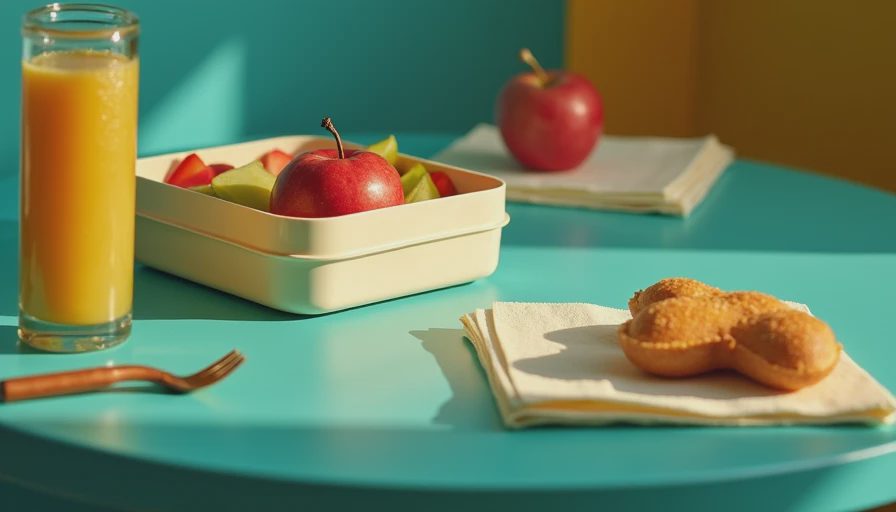
Making lunch work for picky eaters
If your toddler eats only one part of the meal, resist the urge to immediately replace everything with a preferred snack. Instead, include one familiar food alongside something less familiar. A child who loves crackers might receive crackers with avocado and shredded cheese. A child who accepts bananas might see banana slices beside a small piece of toast with hummus.
Keep pressure low. You can say, “The cheese is here if you want it,” and then move on. Avoid asking for one bite, praising an empty plate, or promising dessert for eating vegetables. Those strategies can make the table feel like a test. Repeated exposure matters more than a dramatic first tasting.
Texture matters, too. Some toddlers dislike mixed foods, so serve components separately. Others reject crunchy foods but accept soft versions. Try roasted carrots instead of raw sticks, shredded chicken instead of a large piece, or thinly spread nut butter instead of a thick lump. Every toddler lunch idea can be adjusted without creating a totally different meal.
Safety details worth slowing down for
Always prepare food according to your child's chewing skills and stay close while they eat. Whole grapes, cherry tomatoes, berries, and similar round foods should be cut lengthwise into appropriate smaller pieces. Avoid hard chunks of raw vegetables, whole nuts, popcorn, and sticky spoonfuls of nut butter. Remove bones, pits, and tough skins, and cut meat into small, manageable pieces.
Check allergies before packing food for preschool or playdates. Some settings restrict peanuts and tree nuts, while others have detailed rules about homemade foods. A labeled container and a short ingredient note can prevent confusion. Refrigerate perishable items promptly and use an ice pack for lunches containing yogurt, meat, eggs, or cheese.
A safe toddler lunch idea is not just nutritious; it is also sized, softened, and packed for the child who will eat it. The container matters less than the preparation.
A realistic weekly rhythm
You do not need seven completely original lunches. Choose two reliable meals, two leftover-based meals, and one flexible snack plate. For example, Monday can be a cheese quesadilla with avocado. Tuesday can be pasta with peas and chicken. Wednesday can be yogurt, toast, fruit, and a boiled egg. Thursday can repeat Monday with a different fruit. Friday can use leftovers from dinner.
Keep a short list of foods your child currently accepts, foods they sometimes eat, and foods they are learning about. My toddler field notebook has included very serious observations such as “ate peas only when served in the blue bowl.” That information is useful, not silly. It helps me notice patterns without panicking over one rejected meal.
The best toddler lunch idea is the one you can offer calmly and repeat when needed. Some lunches will be eaten in five minutes, some will be ignored, and some will end with yogurt on the table. That is ordinary toddler life. Offer variety over time, keep portions manageable, and protect your own energy. It is a season, not a race.


Travellers Write
No letters yet — be the first traveller to write.