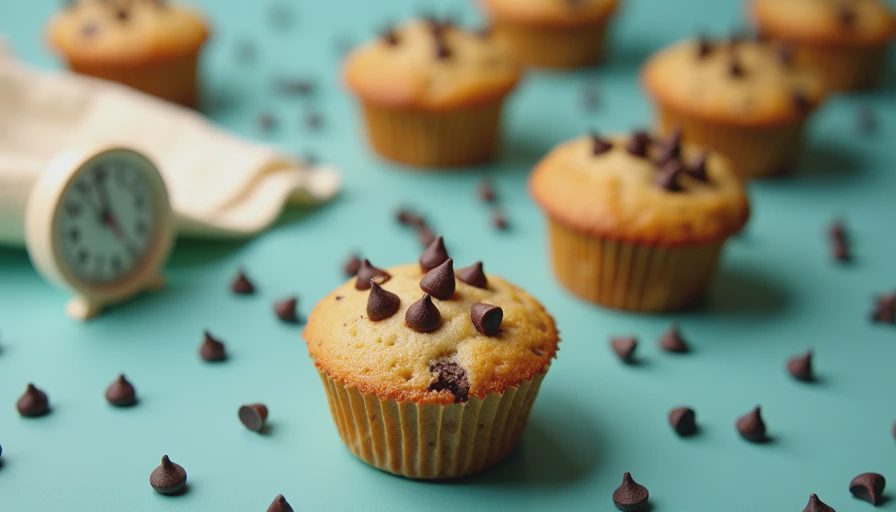
A chocolate chip mini muffin can be a useful toddler snack when you need something soft, portable, and familiar enough to survive a very firm “no.” I have baked many versions during the preschool years, including one batch while Mae stood beside me announcing that she was hungry every thirty seconds. The goal is not a perfect snack. It is a small, manageable food that can join a balanced snack plate without turning your kitchen into a short-order restaurant.
This recipe makes tender little muffins with banana, oats, and a modest amount of chocolate chips. They are not meant to replace lunch or become the only food your child accepts. Pair one with yogurt, cheese, nut butter spread thinly on toast, or sliced fruit, depending on what your child safely eats. As always, sit with young children while they eat and offer pieces appropriate for their chewing skills.
Why this chocolate chip mini muffin works for toddlers
The texture matters more than the tiny size. A dry, crumbly muffin can frustrate a new eater, while a moist muffin is easier to manage. Ripe banana provides sweetness and moisture, and quick oats add a little substance without making the crumb heavy. I use mini chocolate chips so there is a small amount of chocolate in each bite rather than one large, sticky pocket.
For children under two, many families choose to limit foods with added sugar. The banana helps you reduce the amount, but chocolate chips still contain added sugar, so this is an occasional snack rather than an everyday default. For older toddlers, it can fit comfortably into a varied routine. One snack does not determine your child’s eating habits, just as one rejected dinner does not predict a lifetime of picky eating.
You will need one ripe banana, one egg, one-third cup of plain yogurt, two tablespoons of melted unsalted butter or neutral oil, one-half cup of whole-wheat flour, one-half cup of quick oats, one-half teaspoon of baking powder, a pinch of cinnamon, and one-quarter cup of mini chocolate chips. If your child has an allergy, use an ingredient you already know is safe rather than experimenting during a busy week.
How to make the muffins without a kitchen meltdown
Heat the oven to 350 degrees Fahrenheit and grease a mini muffin pan or add paper liners. Mash the banana in a medium bowl until mostly smooth. A few small lumps are completely fine; this is not a pastry competition. Whisk in the egg, yogurt, and melted butter or oil.
In a separate bowl, stir together the flour, oats, baking powder, and cinnamon. Add the dry mixture to the wet mixture and stir just until no obvious streaks of flour remain. Fold in the chocolate chips with a few gentle turns. Overmixing can make the muffins dense, so stop as soon as the batter comes together.
Spoon the batter into the pan, filling each cup about three-quarters full. Bake for 11 to 14 minutes, until the tops spring back lightly and a toothpick comes out without wet batter. Let them cool in the pan for five minutes, then move them to a rack. The centers finish setting as they cool, so do not judge the texture straight from the oven.
A chocolate chip mini muffin should be soft enough to break apart easily between your fingers. For a younger toddler, tear it into smaller pieces and serve it while seated. A child who has been eating finger foods for a while may manage the whole mini muffin, but supervision still matters. Mini does not automatically mean risk-free.
Smart ingredient swaps and flavor ideas
If you are out of yogurt, unsweetened applesauce can work in the same general amount, although the muffins may be slightly less rich. Mashed pumpkin creates a mild flavor and a deeper orange color. You can replace the chocolate chips with finely chopped raisins, but check that the pieces are soft and small. Whole raisins can be difficult for some young children to chew.
For a lower-sugar version, use fewer chips and add cinnamon or a little vanilla extract for flavor. If your child refuses visible banana, blend it very smoothly before adding the other wet ingredients. If your child refuses banana, try applesauce instead. I would not hide a large quantity of vegetables in this recipe; trust grows when children can see and learn about their food. A little spinach powder or grated zucchini is not required to make a snack nutritious.
When I make a chocolate chip mini muffin for the family, Ollie usually grabs two while Mae studies hers as if it requires a committee vote. That pause is normal. Some toddlers smell a new version, squeeze it, take one crumb, and walk away. You can offer it again another day without turning the moment into a negotiation.

Serving, storage, and realistic snack planning
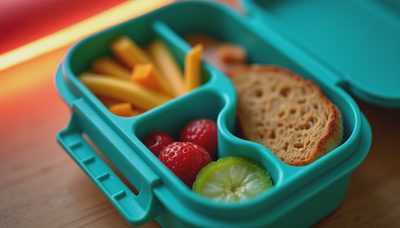
Serve one muffin with another food instead of presenting a plate of muffins alone. A simple combination might be a muffin, cucumber strips, and plain yogurt. Another could be a muffin with strawberries and a small piece of cheese. The goal is exposure and balance, not making every plate look like a social media lunchbox.
Cool the muffins completely before storing them. Keep them in an airtight container at room temperature for up to two days, or refrigerate them for several days. Refrigeration can make them firmer, so warm one briefly or let it sit at room temperature before serving. You can also freeze them in a single layer, then transfer them to a freezer bag. Thaw one overnight in the refrigerator or at room temperature, and check the texture before handing it to your child.
A chocolate chip mini muffin is especially useful for a car-free outing, preschool drop-off, or the stretch between daycare and dinner. Pack it with water and a more filling food when possible. Snacks are not meant to keep toddlers grazing from breakfast until bedtime, but a planned afternoon snack can prevent the exhausted, frantic hunger that makes dinner harder for everyone.
What to do when your toddler rejects it
Do not assume the recipe failed because your child refuses it once. Toddlers can reject a food because it is warm, cold, cut differently, served on the wrong plate, or simply not what they imagined. Put a small portion beside one familiar food, then let your child decide whether to touch it. You can say, “This is the muffin. You do not have to eat it.” That removes pressure without making the food disappear forever.
If your child eats only the chocolate chips, stay neutral. Next time, reduce the chips or choose banana bread without chips. If your child eats only muffins for several days, keep offering other foods at regular meals and snacks, and avoid turning the muffin into a reward. Appetite changes across the week. Look at the broader pattern rather than one dramatic breakfast.
If a chocolate chip mini muffin becomes a reliable bridge to new snack foods, that is useful information, not a parenting failure. Use the familiar food to make room for yogurt, fruit, eggs, or toast over time. Feeding a toddler is repeated practice, with plenty of crumbs and a surprising amount of emotional theater. It's a season, not a race.

Travellers Write
No letters yet — be the first traveller to write.