When the morning starts with one child crying because the banana broke and another asking for a different cup, a breakfast bars recipe healthy enough for toddlers can feel like a small miracle. These soft oat bars are easy to mix, gently sweet, and sturdy enough for little hands. They also work for grown-ups who need breakfast before school drop-off, preschool, or the commute.
I have made many versions of this breakfast bars recipe healthy for our family, usually while Mae is standing on a kitchen stool asking whether the batter is ready yet. The basic idea is simple: mashed banana for sweetness, oats for substance, eggs for structure, and a little nut or seed butter for staying power. You can add fruit, cinnamon, or finely grated zucchini without turning the kitchen into a science project.
Why These Bars Work for Toddlers
Toddlers often want food they can hold, inspect, and carry away from the table. A soft breakfast bar checks those boxes better than a bowl of oatmeal that gets pushed across the tray. It is not a magic answer to picky eating, and it does not need to be. It is simply one familiar option you can offer alongside milk, yogurt, berries, or another food your child usually accepts.
This breakfast bars recipe healthy uses rolled oats rather than a large amount of refined flour. Oats provide a hearty texture and help the bars feel like a real meal instead of a cookie pretending to be breakfast. Banana brings moisture, so the finished squares stay tender. For children under four, avoid whole nuts and chunky add-ins that could be difficult to chew. Use smooth nut butter, finely chopped fruit, or skip the extra ingredients entirely.
The texture matters more than making the bars look perfect. Pull them from the oven when the center is set but still soft. Overbaking creates dry edges that toddlers may chew once and then abandon on the floor. I know this because I have watched Mae carefully remove the blueberry pieces from an otherwise untouched bar.
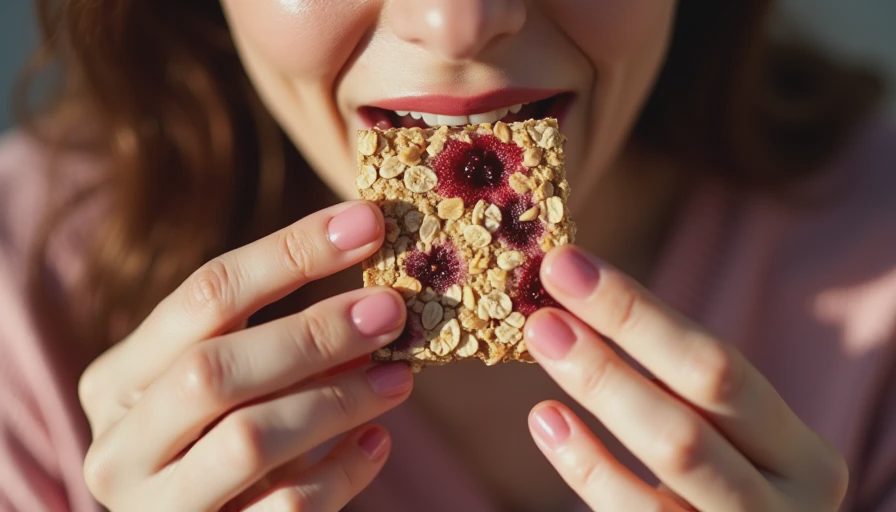
The Basic Breakfast Bars Recipe Healthy Families Can Adjust
For one 8-by-8-inch pan, gather two very ripe bananas, two large eggs, one-half cup smooth peanut butter or sunflower seed butter, one teaspoon vanilla, one and one-half cups rolled oats, one-half teaspoon cinnamon, one-half teaspoon baking powder, and a small pinch of salt. If you are serving a child younger than twelve months, leave out added salt and ask your pediatrician about ingredients such as honey. Honey should not be given before age one.
Heat the oven to 350 degrees Fahrenheit and line the pan with parchment paper. Mash the bananas in a medium bowl until mostly smooth. Whisk in the eggs, nut or seed butter, and vanilla. Stir in the oats, cinnamon, baking powder, and salt until no dry patches remain. Fold in one-third cup of blueberries or finely diced apple if you want fruit, but keep the pieces small.
Spread the mixture evenly in the pan. Bake for about 22 to 28 minutes, until the center looks set and a toothpick comes out with a few moist crumbs. Let the pan cool completely before slicing into twelve small bars. For a younger toddler, cut each bar into manageable strips. Sit with your child while eating and use the texture and size that match your child’s current chewing skills.
This breakfast bars recipe healthy is forgiving. If your bananas are small, add a spoonful of unsweetened applesauce. If the mixture seems runny, stir in two more tablespoons of oats and wait five minutes before baking. If your family dislikes peanut butter, sunflower seed butter or smooth almond butter can work. Always consider allergies in your household and your child’s care setting before packing a bar with nuts.
Easy Add-Ins Without Starting a Food Fight
The most useful add-ins are the ones your child can recognize or barely notice. Cinnamon gives the whole pan a warm smell. A few mini chocolate chips can make a new food less intimidating, although I keep them sparse so the bar still tastes like breakfast. Unsweetened shredded coconut, ground flaxseed, or finely grated carrot can also fit into the mixture.
For a breakfast bars recipe healthy that freezes well, use blueberries or raspberries rather than very wet fruit. Fresh berries can make a pocket of moisture, while frozen berries may stain the batter but still bake nicely. Pat frozen fruit dry and fold it in gently. You can also make a batch with no add-ins, then serve fruit on the side. That separation is useful when your toddler is in a “nothing touching” season.
Do not feel pressure to hide every vegetable. If you add zucchini, grate it finely and squeeze out excess moisture. Then casually name it if your child asks. Food does not have to become a trick. In preschool classrooms, I saw children become more willing to taste foods when adults treated them as ordinary rather than mysterious.
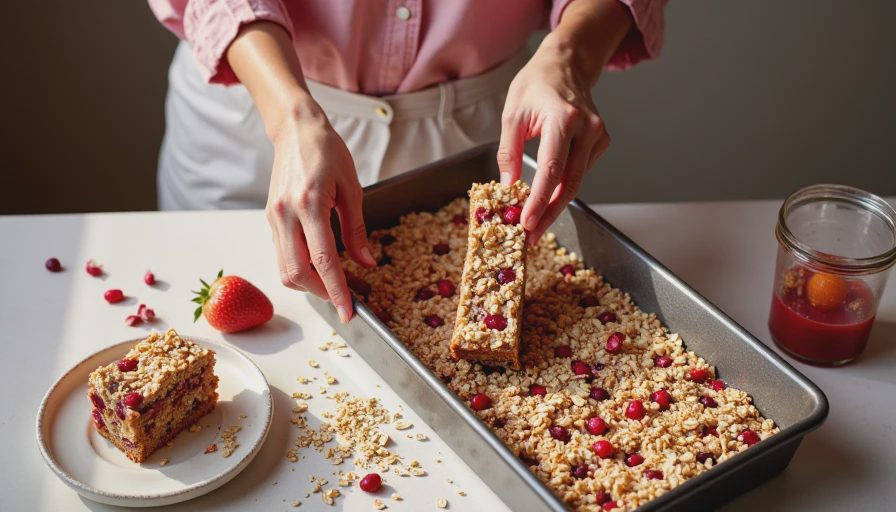
Storage, Packing, and Serving Ideas
Once cool, store the bars in an airtight container in the refrigerator for up to four days. Put parchment between layers if they are sticky. For longer storage, wrap individual pieces and freeze them for up to three months. Move one to the refrigerator the night before, or warm it briefly in the microwave and test the temperature before serving.
A breakfast bars recipe healthy can become more filling when paired with something simple. Try plain Greek yogurt, milk, cottage cheese, sliced strawberries, or a hard-boiled egg for an older child who eats eggs safely. At our house, a bar with yogurt is a reliable breakfast on library mornings, while a bar and banana often travel in the car before a weekend hike.
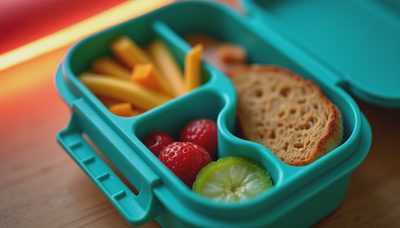
Pack bars in a small lunch container rather than a loose sandwich bag. The container protects the soft texture and prevents crumbs from becoming a second breakfast on the car seat. If your child attends preschool, check the school’s allergy policy before sending nut or seed butter.
Troubleshooting the Next Batch
If the bars crumble, the bananas may have been small or the bars may have been sliced while warm. Let them cool fully and use a serrated knife. If they are gummy, check that the center was baked through and measure the oats rather than estimating. Extra fruit can also add moisture. Bake for a few more minutes next time, but avoid waiting for a dry, cake-like texture.
If your toddler refuses them, do not turn the refusal into a negotiation. Put one small piece beside a familiar food and let it sit. You can offer the same bar another day in a different shape. A child may reject squares but nibble a strip while standing at the counter. That is not a failure; toddlers are allowed to be inconsistent eaters.
This breakfast bars recipe healthy is meant to make mornings easier, not earn a perfect nutrition report. Serve it as one part of a varied pattern of foods, keep portions realistic, and trust that appetite can change from breakfast to breakfast.
A Calm Morning Plan
Bake on Sunday, cool the pan, and cut the bars before Monday arrives. Refrigerate four pieces and freeze the rest. Put one bar in the refrigerator each evening, then serve it with a familiar side in the morning. If your child eats half and asks for toast, offer the toast. If breakfast disappears in three bites, pack a second small item for later.
I spent eight years watching toddlers hit milestones in a classroom, and the last two years watching my own child learn at 3 a.m. Food is much the same: progress is uneven, and one rejected breakfast tells you very little. Make the bar, offer it without pressure, and move on with your day. It is a season, not a race.

Travellers Write
No letters yet — be the first traveller to write.