Cutting childrens hair can sound like a tiny household task until your toddler sees the scissors and decides you are absolutely not touching their head. I have been there with Mae, and I saw the same hesitation many times during my eight years teaching one- to five-year-olds. The goal is not a magazine-perfect style. It is a safe, low-pressure experience that leaves everyone with fewer tears.
A first haircut does not need to happen at a certain age. Some toddlers have thick hair falling into their eyes at 18 months, while others still have soft wisps at two. Hair growth is not a developmental milestone, so there is no prize for doing it early. If your child is comfortable, you can wait. If hair is bothering their eyes, tangling constantly, or making meals and play harder, a small trim can help.
Prepare Your Toddler Before the Haircut
The best preparation usually happens days before cutting childrens hair. Let your toddler watch you brush your own hair. Show a comb, a towel, and a pair of scissors while keeping the scissors closed and out of reach. You can pretend to trim a stuffed animal's fur or give a doll a gentle salon appointment. Keep the play light rather than announcing, “Your haircut is tomorrow,” several times a day.
Choose a time when your child is rested and has eaten. Late afternoon, when everyone is hungry and the nap has gone badly, is rarely the moment to attempt a first trim. A familiar chair near a window often works better than a slippery bathroom stool. Put a towel around the shoulders, but do not fasten anything tightly around the neck.
Tell your toddler exactly what will happen in simple language: “The comb touches your hair. The scissors make a snipping sound. We will take breaks.” Avoid promising that it will not hurt, because a sudden tug can make that promise feel untrue. Instead, explain that you will stop if they need a pause.
Choose Safe Tools and a Simple Style
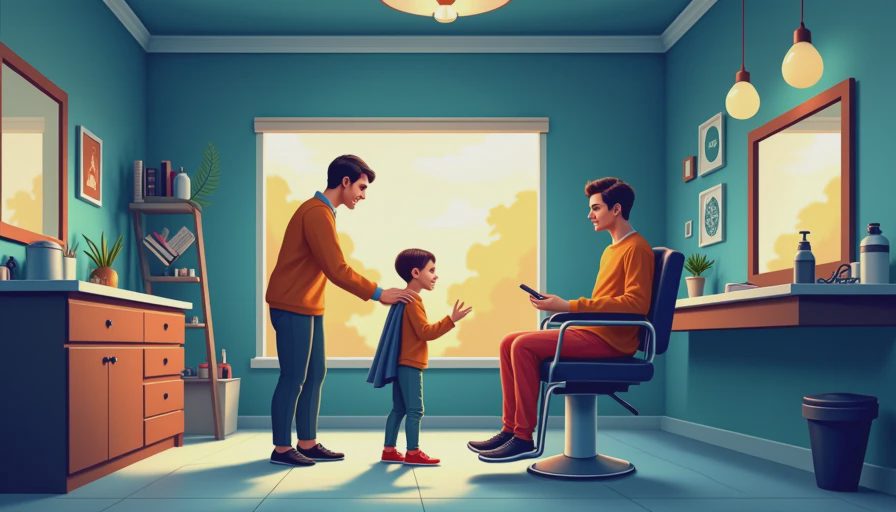
For cutting childrens hair at home, use a clean comb, a spray bottle with water, a towel, and proper haircutting scissors with sharp, controlled blades. Avoid kitchen scissors, craft scissors, and dull scissors that can pull hair. Clippers can be useful for an experienced adult, but their vibration and noise overwhelm some toddlers. Never leave tools on the floor or within reach during a break.
Start with the simplest possible style. A straight trim around the ends is more forgiving than bangs, layers, or a complicated fade. Hair looks different when wet, so do not remove too much at once. Trim less than you think you need, let the hair dry, and reassess. Curly hair can spring up noticeably after drying, so extra caution matters.
If you are nervous, book a child-friendly salon for the first cut. A professional who regularly works with toddlers may have a cape, distraction toys, a child-sized chair, and experience working quickly. You can still ask for a conservative trim and explain that your child may need pauses. The most expensive haircut is not automatically the best one; patience matters more than fancy equipment.
A Calm Step-by-Step First Trim
When cutting childrens hair, begin with your toddler fully dressed in comfortable clothes and seated securely. Place a favorite book, snack, or quiet show at eye level if that helps. Have a second adult sit nearby if possible, but do not let several people crowd the child. Too many excited faces can make the moment feel alarming.
Dampen only a small section. Comb it gently, hold the ends between your fingers, and make one small snip. Show your toddler the hair that fell and offer praise for staying still, even if the stillness lasted two seconds. Move slowly around the head rather than trying to finish everything immediately. Keep scissors pointed away from the face and ears, and never cut while your child is turning suddenly.
If your toddler starts crying, pause. You can try again after a drink, a cuddle, or a few minutes of play. A half-finished haircut is not a parenting failure. If your child will not settle, stop and arrange a salon appointment or try another day. Safety beats symmetry every time.
What to Do When Your Toddler Will Not Sit Still
Many parents imagine cutting childrens hair while their child sits quietly, but real toddlers twist, duck, reach, and announce that they are done. That movement is normal. It does mean you need a plan. Work in short sessions, perhaps trimming the sides today and the back tomorrow. Hair can be evened out later when your child is more willing.
Use a familiar song, a board book, or a short video without making the distraction feel like a bribe you must keep increasing. Mae once sat long enough for a trim because I read the same library book about five times. The book was not magical; the repetition was predictable. Let your child hold a comb or choose whether you start on the left or right, while keeping the scissors in your own hand.
Do not hold a toddler down for a cosmetic haircut. Restraining a frightened child can turn future grooming into a bigger struggle and creates a real risk of a cut. If hair is in the eyes, use a soft temporary clip or headband until you can try again safely, provided your child will tolerate it and it is used only under supervision.
Aftercare and Common First-Haircut Surprises
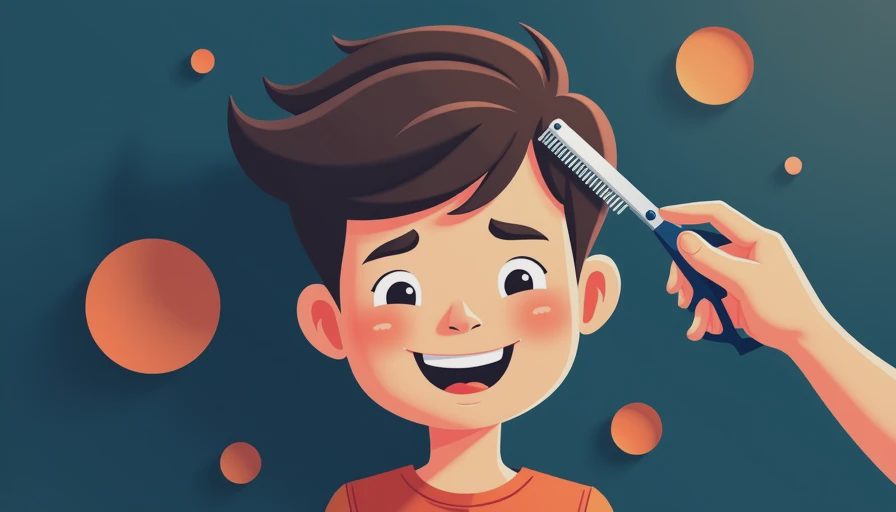
After cutting childrens hair, brush away loose strands from the neck and clothing. A bath can help, but some children dislike loose hair falling on their skin, so a damp washcloth may be enough. Check the ears, neckline, and clothing for itchy clippings. Offer a calm transition afterward rather than rushing straight into errands.
Do not expect the first cut to look perfectly even. Toddler heads are constantly moving, and natural growth patterns can make one side appear longer. If the result is noticeably uneven, wait until your child is calm before correcting it. Chasing tiny imperfections often leads to removing more hair than intended. Take a photo if you want a memory, but do not turn the haircut into a performance for relatives.
Haircuts do not change hair texture, thickness, or growth speed. Cutting the ends may make hair look fuller because the ends are blunt, but it does not make follicles grow differently. This is one of those old ideas that can create unnecessary pressure around a simple grooming choice.
When to Choose a Professional
A salon is often the practical answer for cutting childrens hair when your toddler has strong sensory reactions, very thick or curly hair, or a style that needs careful shaping. Call ahead and ask whether the stylist has experience with children under three. Explain what usually bothers your child, such as buzzing sounds, water sprays, capes, or hair on the neck.
Bring a familiar snack, comfort item, and a realistic plan. The first visit may involve only sitting in the chair or watching another person receive a trim. That still counts as useful practice. Some salons charge around $15 to $35 for a basic child haircut, while specialty locations can cost more. You are paying for speed, positioning, and experience, not just the number of snips.
Whether you trim at home or visit a stylist, remember that cutting childrens hair is a routine skill, not a test of your child's maturity. One calm minute is progress. One uneven section can grow out. It is a season, not a race, and the haircut can wait for a safer, easier day.


Travellers Write
No letters yet — be the first traveller to write.