Birthday cake muffins are one of my favorite ways to make a small celebration feel special without committing to a three-layer cake, a frosting-covered kitchen, and a toddler who eats exactly two bites. They look festive, travel well, and can be made the day before. For a second birthday, preschool snack, or ordinary Tuesday that needs a little sparkle, these muffins are cheerful and manageable.
I spent eight years watching toddlers eat in a classroom, and now I watch my own two-year-old, Mae, approach food with the confidence of a tiny restaurant critic. The winning formula is usually familiar texture, a little novelty, and no pressure. These birthday cake muffins check all three boxes. They are soft, lightly sweet, and easy to adapt if your child dislikes sprinkles, frosting, or anything that looks suspiciously different from yesterday's banana bread.
What makes these muffins toddler-friendly
The recipe uses flour, baking powder, a small amount of sugar, milk, eggs, vanilla, and neutral oil or melted butter. The crumb is tender rather than chewy, which matters for younger eaters still learning to manage different textures. I add colorful sprinkles only if the children enjoy them; they are decoration, not an essential ingredient.
Compared with a bakery cupcake, these birthday cake muffins are less sweet and less messy. That does not make them a health food, and they do not need to be. A celebration food can simply be a celebration food. Pair one with fruit, yogurt, cheese, or a regular meal so the muffin is not carrying the entire nutritional responsibility of the day.
For children under four, supervise eating and consider the size and texture of any decorations. Large, hard, or round toppings can be choking hazards. Choose very small soft sprinkles, leave them off, or use a thin smear of yogurt instead. If your family manages an allergy, use the ingredients and substitutions recommended by your pediatrician or allergy specialist.
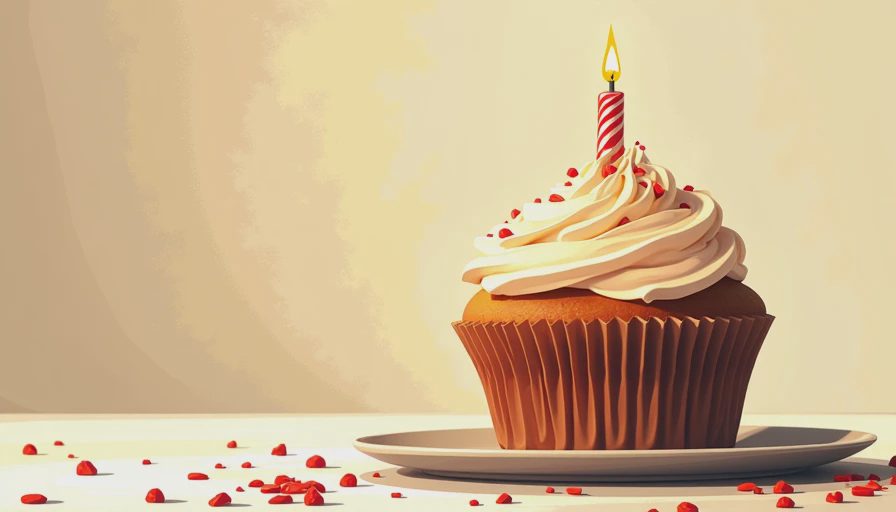
An easy birthday cake muffins recipe
You will need 1 3/4 cups all-purpose flour, 2 teaspoons baking powder, 1/3 cup granulated sugar, 1 large egg, 3/4 cup milk, 1/3 cup neutral oil or melted unsalted butter, 2 teaspoons vanilla extract, and 2 tablespoons of small sprinkles if you want them. This makes about 12 standard muffins.
Heat the oven to 350 degrees Fahrenheit and line a muffin pan. In one bowl, whisk the flour, baking powder, and sugar. In a second bowl, whisk the egg, milk, oil or butter, and vanilla. Pour the wet mixture into the dry mixture and stir just until no dry flour remains. A few small lumps are fine. Overmixing is what turns many homemade muffins dense and tough.
Fold in the sprinkles gently, if using. Divide the batter among the muffin cups, filling each about two-thirds full. Bake for 16 to 20 minutes, until the tops spring back lightly and a toothpick comes out with a few moist crumbs. Let them cool in the pan for five minutes, then move them to a rack.
The batter takes about ten minutes to mix, which is realistic even when someone is asking for a snack while you are measuring flour. If you are baking with a toddler, give the child a large bowl, a wooden spoon, and one premeasured ingredient. The goal is participation, not a perfectly clean process. Expect flour on the floor. That is part of the birthday atmosphere, apparently.
Decorating without creating a sugar avalanche
A little decoration goes a long way with toddlers. You can leave the tops plain, dust them with a small amount of powdered sugar, or add a thin layer of cream cheese frosting. For a less sugary option, try plain or vanilla Greek yogurt mixed with a little mashed banana. Spread it on just before serving because yogurt softens the muffin surface over time.
These birthday cake muffins also work with a single sprinkle placed on top before baking, a few crushed freeze-dried strawberries, or a paper wrapper in a favorite color. Mae once rejected an entire batch because I used green liners instead of yellow ones, so I no longer underestimate the emotional importance of presentation. Children are allowed to have strong opinions about cupcakes and muffin wrappers. It is a season, not a race.
Avoid hard candy, whole nuts, large chocolate pieces, and tall decorations that can come loose. A candle should be handled by an adult, and a child does not need to blow directly onto shared food if that feels unpleasant. You can put one muffin on a small plate, sing, and let the birthday child decide whether to touch it, lick it, or eat the frosting first.
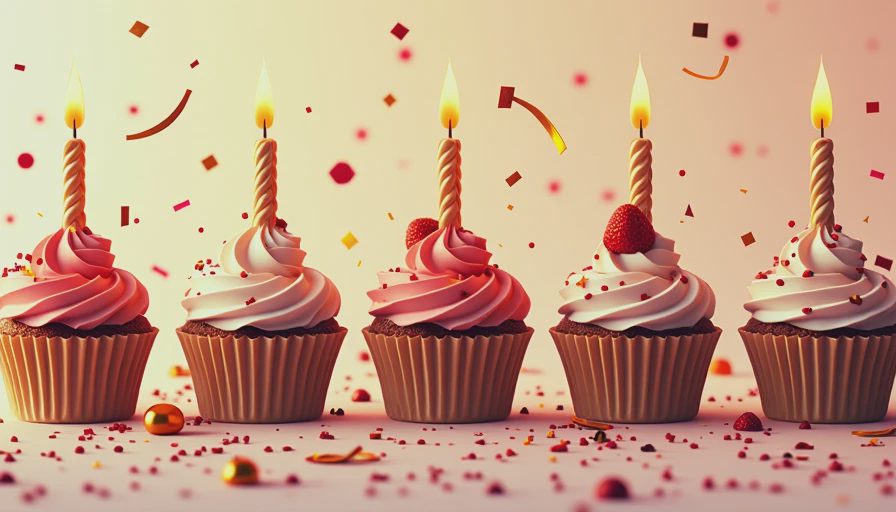
Make-ahead, storage, and serving ideas
Birthday cake muffins can be baked the evening before. Once completely cool, place them in an airtight container lined with a paper towel. Keep them at room temperature for up to two days if they are unfrosted. If you add yogurt or cream cheese frosting, refrigerate them and bring one to room temperature briefly before serving.
For longer storage, freeze the unfrosted muffins in a freezer bag for up to two months. Place parchment between layers if you are worried about sticking. Thaw one overnight in the refrigerator or for a couple of hours on the counter. A quick ten-second warm-up can restore a softer texture, but test the temperature before handing it to a child.
Serve birthday cake muffins with strawberries, blueberries cut appropriately for your child's age, banana slices, or a glass of milk. At a toddler party, one muffin per child is usually plenty alongside other food. Put extras on a separate plate instead of leaving the whole container within reach. Toddlers can move from “I do not want one” to “I need four immediately” in under thirty seconds.
Simple variations for picky eaters
If your child dislikes sprinkles, skip them and call these vanilla muffins. If they prefer chocolate, replace 2 tablespoons of flour with unsweetened cocoa powder, then add a few mini chocolate chips only if those are safe and familiar. You can add finely grated apple for moisture, although it changes the texture and flavor enough that I would test the variation before a party.
For egg-free baking, use a reliable egg substitute rather than guessing with extra milk. For dairy-free birthday cake muffins, use an unsweetened plant-based milk that your child already drinks and a dairy-free spread or neutral oil. Gluten-free flour blends vary, so use one designed for muffins and follow its package guidance if it calls for xanthan gum.
I would not hide a large amount of vegetables in this recipe. A birthday treat is a good chance to let children see and enjoy food as it is. If you want more fiber, serve fruit beside the muffin. Toddlers learn through repetition, and one sweet snack will not undo a week of balanced meals.
A calm birthday serving plan
Bake the muffins the night before, prepare fruit in the morning, and keep decorations simple. Put one birthday cake muffins serving on each child's plate rather than building a towering dessert table. Take the candle out before eating, keep a drink nearby, and sit with the children while they eat.
If your toddler takes one bite and abandons the muffin for a balloon, nothing has gone wrong. If they eat the wrapper, frosting, and one blueberry while refusing the actual muffin, that is also very believable toddler behavior. Offer the food without bargaining or chasing. The celebration is about connection, not a clean plate.
The best birthday cake muffins are the ones that let you stay present. Use the recipe as written, simplify it when needed, and let the party be imperfect. Your child will remember the singing, the attention, and the excitement far more than whether the tops rose evenly.

Travellers Write
No letters yet — be the first traveller to write.