Cheerios cereal bars can sound like the perfect toddler snack: familiar cereal, a little sweetness, and something easy to carry in the car. But “toddler-friendly” depends on the texture, ingredients, and how the bar is served. I have spent eight years watching young children eat in preschool classrooms, and I have also packed snacks for my own two-year-old, Mae. The honest answer is that Cheerios cereal bars can fit into a toddler routine, but they are not automatically a nutritious meal or a safe choice for every child.
What to look for before buying
Start with the ingredient list and Nutrition Facts panel rather than the cheerful front-of-box pictures. Compare total sugar, added sugar, fiber, protein, and serving size. Some cereal bars are soft and chewy, while others are dense, sticky, or coated with chocolate. A bar that feels easy for an adult to bite may still be difficult for a one-year-old to manage.
Cheerios cereal bars vary by recipe and product type, so check the package each time you buy them. Look for common allergens such as milk, wheat, soy, peanuts, or tree nuts. If your child has a diagnosed allergy, use the label and your child’s medical guidance, not a quick glance at the brand name. “Made with oats” does not mean every product has the same ingredients or manufacturing information.
For everyday eating, I like snacks that add something beyond quick carbohydrates. Pair a bar with plain yogurt, cheese, a scrambled egg, or fruit. That combination usually keeps a toddler satisfied longer than a bar alone. A banana and water beside the snack can be enough for a rushed morning, especially when breakfast has already included another food.
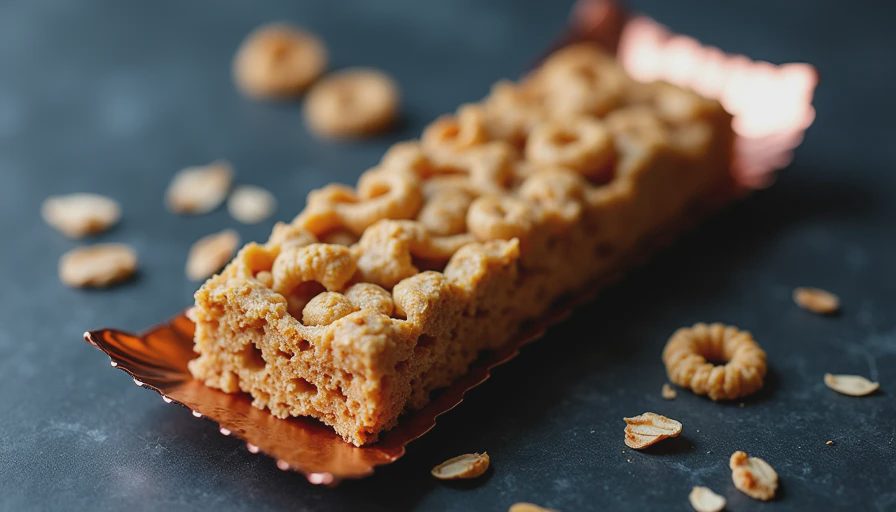
Are Cheerios cereal bars safe for toddlers?
Safety depends on your child’s age, chewing skills, and the exact bar. Sit your toddler upright at a table or in a properly positioned high chair. Avoid serving a sticky or firm bar while your child is walking, riding in a stroller, or lying down. A moving car is particularly hard for an adult to monitor if a child starts coughing.
Cut the bar into small, manageable pieces if it is thick or dense. Stay close while your child eats, and avoid rushing bites between errands. Children develop chewing skills at different rates, so a two-year-old who handles soft toast well may still struggle with a hard, gummy snack. Learn age-appropriate choking first aid, and call your pediatrician if your child frequently gags, coughs, pockets food, or seems unable to manage textures other children their age eat comfortably.
Remember that gagging and choking are different. Gagging can be noisy and is often part of learning to handle new textures. Choking can be quiet and prevents effective breathing or coughing. That distinction is one reason I would rather serve a soft piece at the kitchen table than hand over an entire bar during a chaotic school pickup.
An easy homemade version
Homemade Cheerios cereal bars give you more control over texture and sweetness. They also let you use ingredients your family already knows. This simple version is soft rather than crisp.
Use three cups of plain oat cereal, one very ripe mashed banana, one-third cup of smooth sunflower seed butter or peanut butter if your child already tolerates it, and two tablespoons of unsweetened applesauce. Stir everything together until the cereal is coated. Press the mixture firmly into a small parchment-lined pan, refrigerate it until set, and cut it into thin strips or small pieces.
The mixture should hold together without becoming rubbery. If it seems dry, add another spoonful of applesauce. If it feels sticky, mix in a little more crushed cereal. Store the bars in the refrigerator and use a clean container. Because this recipe contains fresh banana and no commercial preservative system, make a small batch and use your judgment about freshness.
You can add cinnamon, mashed berries, or finely grated apple for flavor. Avoid whole nuts, hard seeds, large dried fruit pieces, and thick spoonfuls of nut butter. Those ingredients can create texture problems even when the overall recipe seems soft. Honey is not appropriate for children under 12 months; for toddlers, the larger concern is keeping the snack low in added sugar and easy to chew.
How to serve them without creating a snack battle
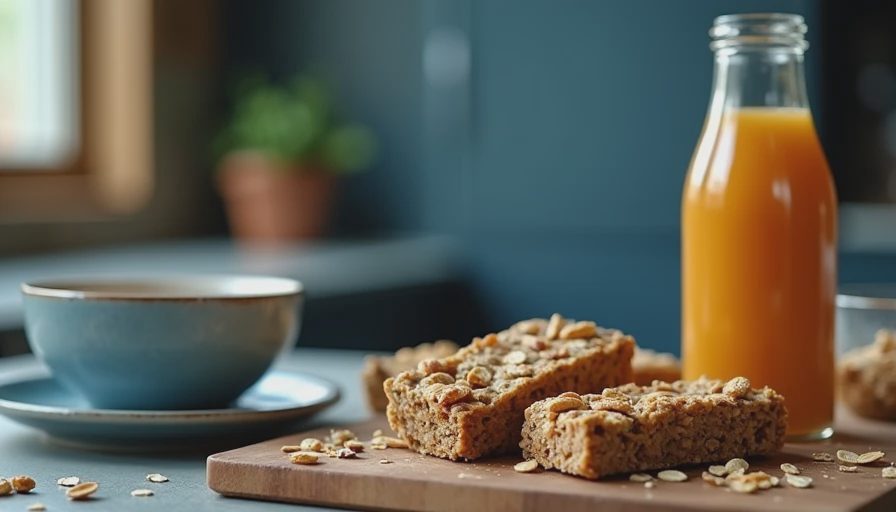
Offer Cheerios cereal bars as one part of a predictable snack, not as a reward for eating vegetables or finishing dinner. A simple plate might include one small piece of bar, cucumber sticks cooked until soft enough for your child, and milk or water. Another option is the bar with yogurt and sliced strawberries. You choose what is offered, and your toddler decides whether and how much to eat.
This approach matters because toddlers often eat unevenly. Mae has had days when she ate three strawberries and asked for more, followed by a dinner where she rejected the same fruit dramatically. I wrote it in my toddler field notebook and moved on. One snack does not determine whether a child is getting balanced nutrition. Look at the pattern across several days instead of turning one bar into a negotiation.
Try not to keep replacing an untouched lunch with more bars. That can teach a child to hold out for the preferred food, while removing a rejected food entirely can make new foods feel even less familiar. Include one food you expect your toddler to like alongside the rest of the meal, then let the table conversation continue.
When a different snack makes more sense
Cheerios cereal bars may not be the best choice when your child is very hungry and needs a more filling meal. A bar has limited protein and may not provide enough energy for a long afternoon. For daycare, a preschool classroom, or a hike, pack a more substantial combination: a small turkey and cheese roll-up, soft fruit, yogurt, or an egg alongside a familiar carbohydrate.
They may also be a poor fit if the texture causes coughing or if the ingredient list conflicts with an allergy plan. In that case, choose a soft food your child already manages well. There is no prize for making one specific snack work. Toddlers can get through a season of food preferences without your pantry becoming a full-time research project.
If you are comparing brands, check price per ounce rather than the front label. A box priced around $4 to $7 can look reasonable, but individually wrapped portions often cost more than a banana, toast with avocado, or homemade oat bites. Convenience has value on hard mornings; it just helps to know what you are paying for.
A realistic parent checklist
Before serving Cheerios cereal bars, read the current package, check allergens, and notice whether the texture is soft enough for your child. Sit your toddler down, offer water, and stay nearby. Pair the bar with another food when it is replacing breakfast or a substantial snack. Cut it smaller if needed, and store homemade versions in the refrigerator.
Most importantly, keep the emotional temperature low. If your child eats the bar, fine. If your child takes one bite and drops it, also fine. Food learning is repetitive, messy, and rarely linear. I have watched children refuse a food for weeks and then calmly ask for it when nobody was celebrating the breakthrough.
Cheerios cereal bars can be useful in a practical toddler routine when they are treated as one convenient food, not a magic solution. Choose the simplest option your child can safely manage, balance it with filling foods, and let the snack stay boring. It's a season, not a race.



Travellers Write
No letters yet — be the first traveller to write.