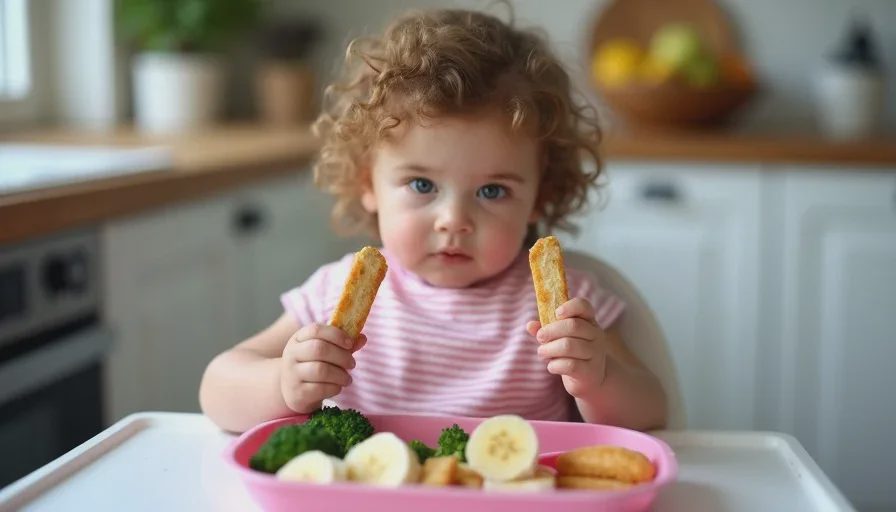
Nobody warned me that the day Mae took her first bite of a real green bean, she would chew it twice, spit it into her hand, and then look at me like I had personally offended her. I'd spent eight years as a preschool teacher watching toddlers eat — I knew this was coming. But knowing it's coming and living through it are two different things. The move from purees to table food is one of the messiest, most confusing feeding phases there is, and it's usually the exact moment a picky eater toddler is born — not because the child changed, but because the food suddenly did.
The Phase Nobody Tells You About
Here's what most feeding guides skip: the transition to table food isn't a clean line. It's weeks of back-and-forth. One day Mae ate shredded chicken with actual enthusiasm. The next day she looked at a piece of toast like it had personally wronged her. Kids swing between "loves everything" and "refuses everything" so fast it makes your head spin.
In my classroom, I saw the same thing over and over. A one-year-old who happily ate pureed squash would suddenly refuse it once the texture changed — even slightly. Smooth became lumpy, lumpy became chunky, and somewhere in between, a completely normal child started acting like a food critic with strong opinions and no manners. The children in my class who went through this rarely stayed picky eater toddler cases for long — the refusal was a stage, not a verdict.
The Gag Reflex Panic
The first time Mae gagged on a piece of banana, I nearly called Mike at work. Her face turned red, her eyes went wide, and for about five seconds I was sure we were headed to urgent care. She was fine. She coughed, swallowed, and reached for more. But that moment is the moment every parent I've ever talked to remembers.
Gagging is a normal part of learning to eat lumpy and solid food. Toddlers are figuring out how to move food to the back of their mouths and when to swallow. It looks alarming. It sounds alarming. But here's what I learned in eight years of classrooms: gagging is usually the toddler's body working as designed, and it gets steadier with practice — as long as we stay calm and let them work through it. Panic makes toddlers anxious, and anxious toddlers refuse food.

Why the Sudden Refusal Shows Up
Right around this transition, a switch flips. The baby who ate everything becomes a toddler who eats a narrow list of approved items — often beige ones. There are a few things going on, and none of them are your fault.
First, toddlers are newly discovering they have opinions and that saying "no" is powerful. Second, they're going through real texture and flavor changes as purees give way to real food. Third, new foods genuinely make many toddlers nervous — the smell, the color, the way it feels in their fingers. When I worked in early learning, I watched toddlers spend twenty minutes rolling a single piece of broccoli around their tray before deciding it was safe to taste. Twenty minutes. That wasn't stubbornness. That was a child doing careful research — and it's a reminder that a picky eater toddler isn't broken, just gathering information before they commit.
Here's how I'd describe the two stages side by side:
Puree Stage | Table Food Stage |
|---|---|
Smooth, predictable texture | Chunky, mixed textures and temperatures |
You control the spoon and the speed | Toddler wants to feed themselves, slowly |
Food is the same every meal | The same food looks different every time |
Few surprises, few refusals | Strong opinions, sudden turnarounds |
Quick meals | Meals that take twice as long for half the bites |
Understanding that table is half the battle. The other half is knowing that when a picky eater toddler refuses a food you know they loved last week, it's usually the phase talking — not a problem with your cooking or your parenting.
What's Normal Versus What Needs Attention
Most food refusal during this transition is normal. A few red flags are worth mentioning to your pediatrician — not panicking, just mentioning:
Weight loss or stalling on their growth curve
Ongoing difficulty swallowing, not just gagging now and then
Refusing entire categories of food (all fruits, all proteins) for weeks at a time
Feeding that's stressful enough that mealtimes feel like battles, meal after meal
Everything else — the toast betrayal, the banana rejection, the "I only want crackers" era — is the toddler food roller coaster, and it has a predictable track. If you're parenting a picky eater toddler right now, you're not doing anything wrong. You're just standing at a busy intersection.
Practical Steps That Actually Helped
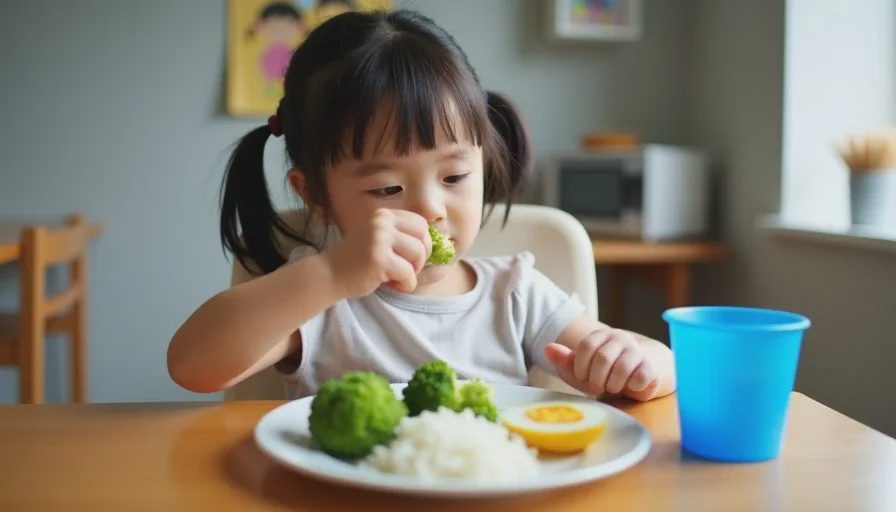
Whether I was helping a picky eater toddler in my classroom or sitting at our kitchen counter with Mae, the same few strategies held up again and again. Here's my step-by-step, learned the slow way:
Keep one familiar safe food on the tray every single time. New foods are the research project; the safe food is the anchor.
Let them touch, smell, and smash the food. Exploring with hands comes before exploring with mouths.
Offer the same foods you're eating — cut into toddler-safe pieces. Nobody eats well when they're the only one at the table with a special meal.
Serve one new thing alongside foods they already accept, and don't push it. Pressure backfires in toddlers faster than anything I know.
Stay calm through the spit-out. A toddler watching you lose your cool over a green bean learns that green beans are worth a reaction.
Keep meals to a reasonable time limit — about twenty minutes in my experience — and then move on with your day.
The biggest shift in my own house came when I stopped treating every meal as a verdict on my cooking and started treating it as exposure practice. Every time Mae touched, smelled, or licked a new food, that was a win — even if zero bites made it in.
Keeping Toddler Meal Ideas Simple
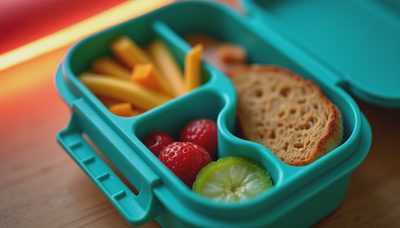
The feeding transition taught me to keep my toddler meal ideas boring on purpose. Mae does not need a five-ingredient breakfast. She needs a cut-up piece of whole-wheat toast, a few raspberries, and a hard-boiled egg — served, inevitably, after she's inspected everything. The magic of the transition wasn't fancy recipes. It was routine, repetition, and the same foods showing up over and over until they became familiar enough to trust. Simplicity matters even more when you're feeding a picky eater toddler — fewer choices mean less negotiation.
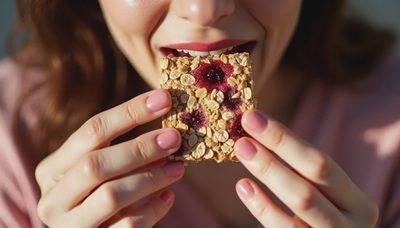
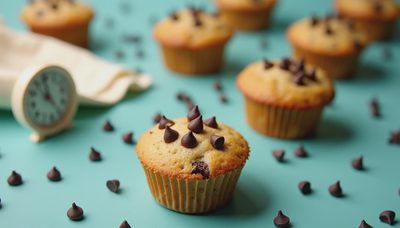
Our weekday rotation is genuinely plain: scrambled eggs, oatmeal with fruit, grilled cheese cut into strips, shredded chicken, steamed carrots, yogurt with a spoonful of peanut butter, pasta with a little sauce. I bake muffins on weekends and snack bars on lazy afternoons — Mike's a fan of those, too. None of it is special. All of it is familiar, and familiarity is what a toddler in this phase is hungry for.
The Season of the Sniff-and-Reject
I want to close with the honest part. This phase is slow. You will cut a strawberry into eight pieces and watch your child eat zero of them. You will clean a high chair tray that looks like a crime scene. You will wonder, at least once, whether your child eats anything at all.
I wrote "eats chicken and rice today, refused everything else" in my toddler field notebook more times than I can count — and Mae is still healthy, growing, and, eventually, eating. It's a season, not a race. The picky eater toddler stage ends the way every feeding phase ends: gradually, messily, and right around the time you've stopped worrying about it. Keep serving, stay calm, and let the tray be the classroom.
Travellers Write
No letters yet — be the first traveller to write.