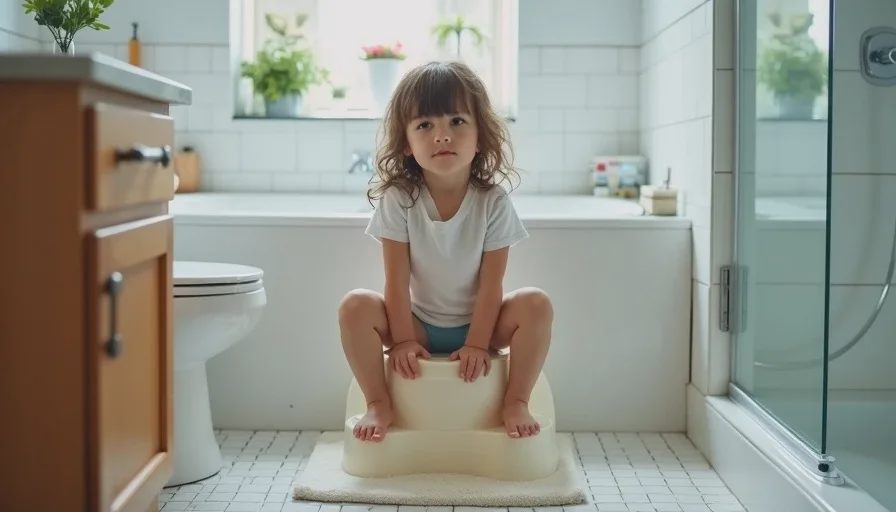
In eight years as a preschool teacher, I watched families time potty training beautifully — and I watched just as many start too soon. The difference was rarely effort or willpower. It came down to whether the signs of potty training readiness were genuinely there, or whether a parent (or a grandparent, or the pressure of a friend's timeline) had wished them into existence. I'm walking through this right now with Mae, who just turned two and has shown me exactly three of the five signs so far. That's honest progress, and it's also a reminder that readiness doesn't care about my plans. Here's what I've learned about the signs you can't fake.
Why Readiness Decides Everything
When the signs are real, potty training can genuinely take a long weekend. When they're not, the same effort stretches into months of soggy carpets, tears at nap time, and a toddler who treats the potty like a toy. In the classroom, the kids who trained quickly all had the same profile: they stayed dry in longer stretches, they could tell me what was happening in their bodies, and — this is the part nobody mentions — they wanted to. None of that can be manufactured with stickers or a countdown calendar. The readiness has to exist before the method can work, and no approach in the world replaces it.
The signs people fake (and why they fool us)
We all look for signs when we're hoping to see them. These are the ones I watch parents cling to, and I've caught myself doing it too:
One successful sit. She sat on the potty once, fully clothed, and announced "done." That's curiosity about a chair, not readiness to use it.
The age on the calendar. Two and a half gets treated like a deadline in some circles. Age alone has never predicted a single successful potty trip in my experience.
The big sibling. Ollie went to kindergarten dry and organized, and I caught myself comparing Mae to his timeline. Every kid runs their own clock.
The borrowed vocabulary. A toddler who says "potty" but means the toy duck isn't communicating a need yet. The word only counts when it's attached to the actual body.

The 5 Signs That Actually Matter
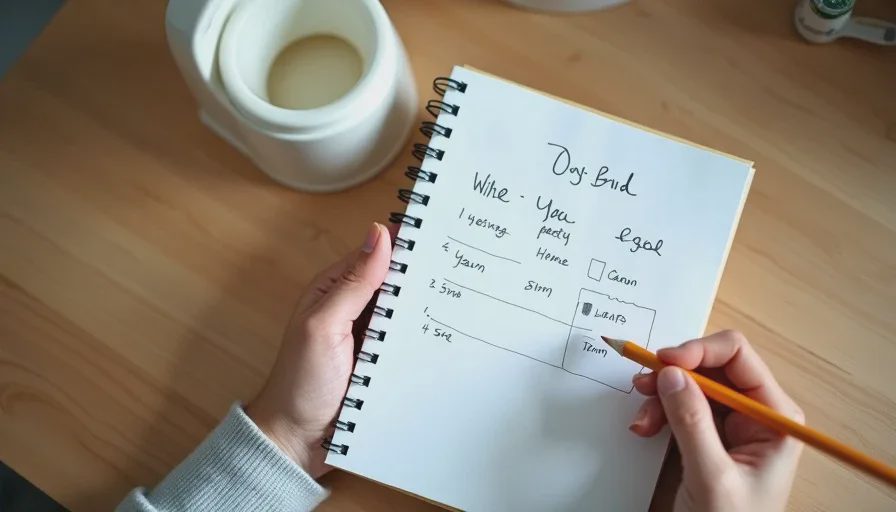
Here are the real signs of potty training readiness, based on what I watched work with dozens of classroom kids and what I'm currently tracking in the toddler field notebook for Mae. I didn't invent this list; I built it from observation sheets and parent check-ins over the years, and it's held up in every group I've taught.
The readiness checklist
Sign | What it looks like at home | Why it counts |
|---|---|---|
Long dry stretches | Diaper dry for 2+ hours, or dry after a nap | Shows bladder capacity and control are catching up |
Body awareness | Stops playing to poop, hides, or says she's "going" | Means she feels the sensation and knows what it is |
A way to tell you | A word, a sign, a grab of the pants | Without communication, timing turns into guesswork |
Follows two-step directions | "Pull your pants down, then sit" | Confirms the motor skill and attention span are ready |
Interest that lasts | Asks about the potty for days, not one afternoon | Sustained willingness beats any bribe you can invent |
The 3-Day Method, Honest Version
The 3 day potty training method gets a lot of hype, and I'll say this plainly: it's not a trick, and it's not a shortcut. It's a structure — three days at home, pants off, potty within reach, watchful parents — that works well for kids whose signs of potty training readiness are already real. I've seen it work during summer and I've seen it fail, and the variable was never the method itself. It was whether the checklist above had been honestly checked off before day one.
How to know if the 3-day method fits your family
It needs a genuinely clear stretch of days. No work meetings, no sibling chaos, no road trips. You will be watching a toddler's hips for three straight days.
It needs a kid with at least four of the five signs. If dry stretches and body awareness aren't there yet, the method becomes three days of floor cleanups.
It needs a calm adult. This is the potty training tip that matters most, and the one I struggle with too: if you're tense, the whole house feels it.
If that sounds like your week, the 3 day potty training method is worth a try. If it doesn't, that's not a failure — it's a message about your child, and it's worth listening to.
When It's Not Time Yet
Here's the part that doesn't get pinned to the fridge enough: waiting is not giving up. Mae has three of the five signs, and so we wait. We keep the little potty in the bathroom where she can see it. We let her sit on it when she asks, clothes on, zero expectations. We narrate what we're doing when we use the bathroom ourselves, the way I used to talk my classroom kids through handwashing. And I log all of it in the notebook, watching for the other two signs to show up.
Some of the most practical potty training tips I ever give are the boring ones: put the potty out early, don't ask about it every day, and let the first sits be about getting comfortable rather than producing something. In the classroom, the kids who were allowed this slow warm-up almost always trained faster when the real day came, because they had already decided the potty was theirs. Same thing is happening with Mae right now.
When readiness clicks, everything moves quickly. Until then, you're not behind. You're in the waiting room, and that's a legitimate place to be. Mae will get there. Your toddler will get there. It's a season, not a race — and this particular season smells faintly of diaper pail no matter how you slice it. But it ends, same as all the others.



Travellers Write
No letters yet — be the first traveller to write.