If you are searching for how to discipline a 3 yr old after the fourth meltdown before breakfast, you are not failing. Three-year-olds are still learning impulse control, emotional language, flexibility, and the difference between wanting something and being able to have it. Discipline at this age is less about punishment and more about teaching the same skill repeatedly, sometimes while your child is lying on the kitchen floor.
I spent eight years watching toddlers hit milestones in a preschool classroom, and I have spent the last few years practicing the same lessons with my own two children. The approach that works best is calm, brief, and predictable. You can hold a firm boundary without frightening, shaming, or lecturing your child.
Start with connection, then set the limit
A three-year-old who is hungry, tired, rushed, or overstimulated has much less access to cooperation. Connection does not mean giving in. It means getting close enough to help your child hear you. Move to their level, use a steady voice, and name what you see: “You really wanted to pour the juice yourself.” Then state the limit: “I will not let you throw the cup.”
When parents ask how to discipline a 3 yr old, I often suggest using fewer words. A long explanation can sound like background noise during a tantrum. Try one sentence that validates the feeling and one sentence that gives the boundary. “You are mad that playtime is over. Playtime is finished, and I will help you leave.” Repeat the same message instead of adding new arguments.
This also helps you stay regulated. Your child may still cry, but crying is not proof that the limit was wrong. A boundary can be loving even when it is unpopular.
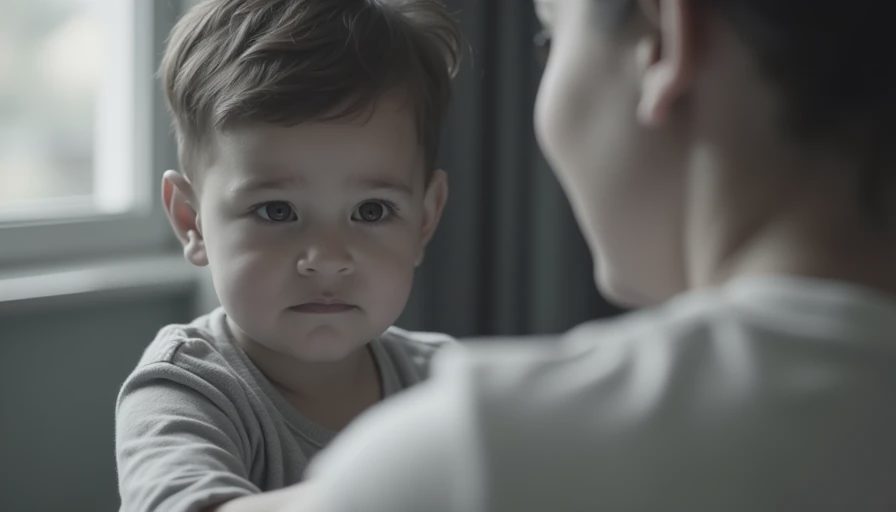
Use natural and logical consequences
Consequences work best when they are connected to the behavior and happen immediately. If your child pours blocks down the stairs, the blocks are put away for a while because the stairs are not a safe place for them. If your child splashes water outside the bathtub, bath time ends after one clear warning and a brief chance to stop. The consequence should teach what to do next, not simply make your child feel bad.
Avoid threats you will not follow through on, such as canceling a birthday party because your child refused to put on shoes. A three-year-old needs consequences they can understand today. You might say, “Shoes go on before we go to the library. You can put them on, or I can help.” If your child does not choose, calmly help with the shoes and continue the routine.
This is a practical part of how to discipline a 3 yr old: make the boundary visible, offer a small choice, and act without anger. Choices are useful when both options are acceptable. “Red shirt or blue shirt?” gives control without handing over the whole decision.
Handle hitting, biting, and throwing safely
Aggressive behavior needs an immediate safety response. Block the hit, move your body between children, or gently hold a hand while saying, “I will not let you hit.” Keep the words simple. Do not demand an apology while your child is still overwhelmed; a forced “sorry” rarely teaches empathy.
Once everyone is safe and your child is calmer, help repair the situation. That might mean bringing an ice pack, checking on a sibling, rebuilding a knocked-over tower, or practicing the words “Move, please.” You can say, “You were angry when the truck was taken. Next time, stomp your feet or ask for help. Hitting hurts.”
If hitting happens often, look for patterns. My toddler field notebook has entries for sleep, food, transitions, and difficult moments. You do not need a formal notebook, but a few notes can reveal that aggression appears before lunch, after preschool, or whenever a younger sibling touches a favorite toy. Prevention is discipline too: offer a snack, shorten an errand, or stay close during a predictable flashpoint.
What to do during a full meltdown
During a major tantrum, your job is safety and presence, not a perfect lesson. Remove hard or breakable objects, lower your voice, and stay nearby. If your child wants space, give a little space while remaining available. If they want to be held and you can manage it, offer your arms. If they reject contact, say, “I am right here when you are ready.”
Do not negotiate with every new demand. A child who is screaming for cookies may switch to demanding a different cup, then a toy, then a trip outside. Changing the answer in response to escalation teaches that louder behavior might work. Repeat the limit once or twice, then become quiet and steady.
After the storm, reconnect without a long lecture. Offer water, a cuddle, or a simple reset activity. Later, revisit the skill in a neutral moment: “When you are mad, you can say help, stomp on the rug, or squeeze a pillow.” Practice when your child is calm, because children cannot learn a replacement behavior at the peak of distress.

Praise the behavior you want to see
Specific attention is one of the most effective discipline tools, especially for children who seem to seek attention through misbehavior. Instead of saying only “good job,” describe the action: “You stopped your hand when I said stop,” “You waited while I helped your brother,” or “You put the markers back in the box.” This shows your child exactly what cooperation looks like.
Look for small successes. A three-year-old who usually runs away might stand still for two seconds when asked to hold hands. Notice that. A child who normally screams may manage one clear word. Notice that too. You are building a pathway through repetition, not waiting for perfect behavior.
This does not mean praising every ordinary movement or using rewards for everything. Warm attention, shared laughter, and a quick acknowledgment are enough. Save sticker charts for skills that benefit from visual practice, such as bedtime steps or putting shoes away.
When to ask for extra help
Some defiance, tantrums, hitting, and dramatic mood shifts are normal at three. Still, contact your pediatrician if aggression is frequent and dangerous, tantrums regularly last an unusually long time, your child loses skills, or you are worried about language, hearing, sleep, development, or your own ability to stay safe and patient. A pediatrician can help you separate a challenging season from a problem that deserves more support.
If you are learning how to discipline a 3 yr old, choose one behavior to address first. Make the rule short, decide what you will do, and tell every caregiver the same plan. For example: “Hands are for helping. If hitting starts, I block the hit, move the children apart, and help everyone calm down.” Consistency matters more than a flawless response.
You will still have evenings when you whisper, “What am I doing?” in the pantry. I have had them too. Come back to safety, connection, and a clear limit at the next opportunity. Your child is not a finished product, and neither are you. It is a season, not a race.



Travellers Write
No letters yet — be the first traveller to write.