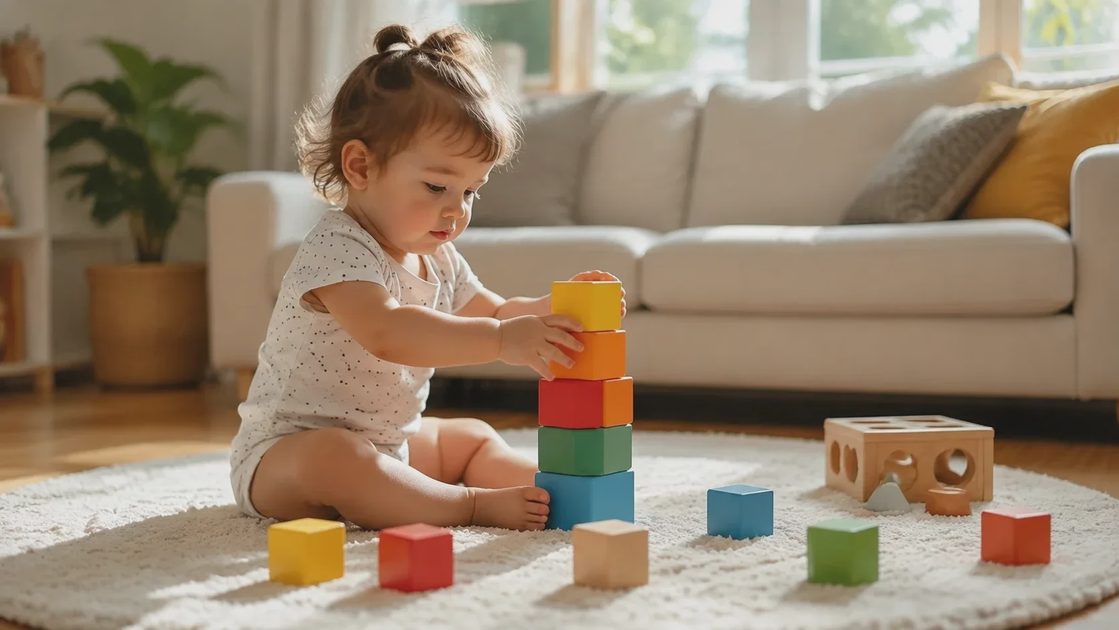
Parents ask me, often with a phone in hand, what should a 2 year old be able to do. After eight years teaching kids ages one through five at an early learning center here in Seattle, and now watching Mae live through her second year, I can give you the honest answer: less than the internet suggests, and more than it looks like on a rough afternoon. Two is a year of spectacular bursts and stubborn pauses. One week Mae climbs the playground ladder alone; the next she won't touch a crayon. Both weeks were normal. That's the part the milestone lists leave out.
What "Normal at Two" Actually Means
Normal at two is a wide band, not a dot on a graph. In my classroom I had kids who spoke in full sentences at twenty-four months and kids who said eight words at thirty. Both groups were doing fine. The milestone charts aren't wrong — they're averages across thousands of kids, and averages smooth away the messiness that makes up any single child. What I wrote on my classroom observation sheets, and now in the toddler field notebook for Mae, is never "meets milestone or not." It's "what did she do today, and what's trending over the month." That small shift in how I looked at kids changed how I taught them, and it's the same shift I'd hand to any parent staring at a chart.
Why the milestone charts scare parents
Charts average kids; they don't describe yours. A midpoint is not a deadline.
Skills arrive in bursts. Toddlers plateau, then leap. A "stuck" week is usually a gathering week.
Context changes everything. Tired, hungry, or mid-tantrum toddlers perform badly, and that's not a real data point about their development.
The Real Skills of a 2-Year-Old
Here's the grounded version of toddler developmental milestones, based on what I actually observed in classrooms and what I log at home. None of these are hype — they're the things two-year-olds genuinely do, in their own order, on their own schedule.
Moving and doing
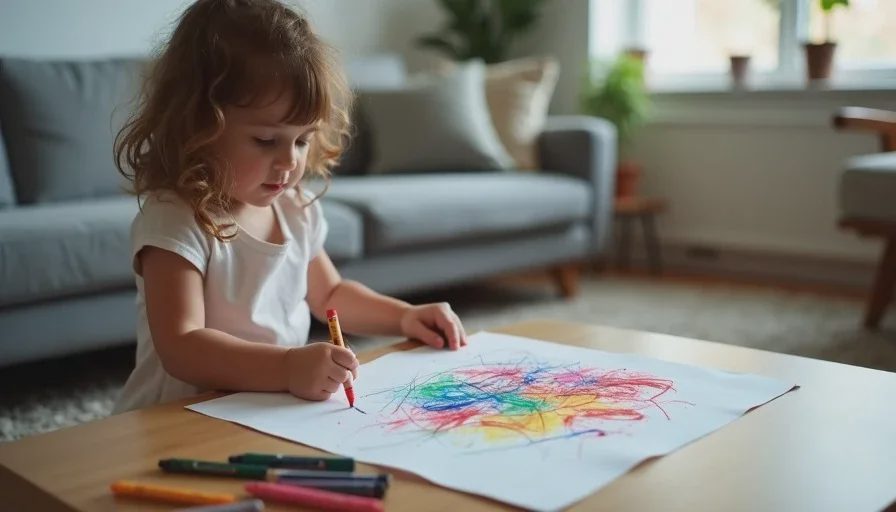
A typical two-year-old runs, climbs onto furniture, kicks a ball, and walks up stairs with help. She can hold a cup and drink from it, scribble with a crayon, and turn the pages of a board book. Mae can undress herself faster than any adult in this house can stop her, which is technically a skill. Motor milestones tend to be the most visible, which makes them the easiest place for comparison. Kids hit them at very different moments, and the early ones don't predict anything about the later ones.
Talking and understanding
Expect a vocabulary that grows weekly, two- to four-word sentences, and the ability to follow simple directions. She knows her name, can point to body parts, and understands far more than she can say. Mae says about forty words clearly and understands a hundred times more — when Mike says "we're going to the library," she's already at the door with her coat. Comprehension racing ahead of speech is the rule at this age, not the exception.
Feeling and relating
Two-year-olds show a real range of emotion — pride, frustration, delight — often in the same minute. They play alongside other kids more than with them, and that's on track. They say "no" with conviction, and they're practicing what it means to have a self. The tantrums at this age aren't misbehavior; they're a small person with big feelings and no brakes yet. My job as the adult is to be the brakes, not to punish the feelings.
Thinking and playing
This is the age of pretending — feeding the stuffed bear, putting the doll to bed. Two-year-olds match shapes, sort colors, and manage simple puzzles. They understand routines and protest when routines change, which is how you know they're paying attention. Ollie did all of this at two, and Mae does too, and neither of them was on any accelerated track. They were just kids, working on being kids.
The "Normal" vs. "Hype" Table
When parents search what should a 2 year old be able to do, they get solid information mixed with content designed to sell fear and programs. Here's my honest breakdown of toddler developmental milestones versus the hype:
Area | Actually normal at two | What's just hype |
|---|---|---|
Motor | Runs, climbs, kicks a ball | Riding a balance bike with no practice |
Language | Two- to four-word sentences, big comprehension | Reciting the alphabet backwards |
Drawing | Scribbles, maybe a circle | Drawing recognizable people |
Self-help | Helps with dressing, eats with a spoon | Fully dressed solo, spotless hands |
Play | Parallel play, simple pretend | Sharing favorite toys gracefully |
Potty | Maybe training, maybe not | Trained with no accidents, ever |
The right column is not "never happens" — some kids do those things early. But none of them are required, and none of them say anything meaningful about your child's future. I had one student who read at three. I had another who didn't click with letters until six. They're both adults now, and you can't tell which was which.
When to Actually Wonder
I want to be careful here, because the point of this article is to lower your blood pressure, not raise it. But there are a few things worth mentioning to a pediatrician at two: if your child loses skills she already had, if she isn't using any words by twenty-four months, or if you can't engage her in back-and-forth play. Those aren't panic items — they're check-in items. A pediatrician's job at that visit is to tell you everything is fine, and it usually is. In my experience, the kids who worried their parents most at two were often the ones doing the most interesting thinking, just on a path nobody else could see yet.
The Bottom Line
The next time a milestone list makes your stomach drop, put the phone down and watch your kid for ten minutes. You'll see her doing something — stacking blocks, running in circles, babbling a story to a stuffed bear — that isn't on any chart and matters anyway. Two-year-olds are supposed to be a work in progress. Yours is right on time. It's a season, not a race, and at this age the seasons change every few weeks.


Travellers Write
No letters yet — be the first traveller to write.