At 12:07 p.m., the toddler is tired, the dog is barking, and you are staring into the refrigerator hoping lunch will assemble itself. Easy toddler lunches are not about making a miniature restaurant menu. They are about putting a few familiar foods together quickly, offering enough variety over time, and getting everyone to the next part of the day without a fight.
I spent eight years watching toddlers eat in a classroom, and I have spent the last two years serving lunch to Mae at home. The biggest lesson has been simple: a lunch can be nutritionally thoughtful and still include crackers, a pouch, or yesterday's noodles. Toddlers do not need a picture-perfect plate at every meal. They need regular chances to eat, a calm adult, and food they can manage independently.
The simple formula behind easy toddler lunches
A useful lunch usually has three parts: one food your child reliably eats, one source of energy or protein, and one fruit or vegetable. This is not a rule your toddler has to complete. It is a planning shortcut for you.
Try a cheese quesadilla with avocado and sliced strawberries. Serve hummus with pita triangles, cucumber sticks, and shredded chicken. Put leftover rice beside scrambled egg and soft peas. On a particularly rough day, combine a banana, toast with sunflower seed butter, and a cup of whole milk. These meals look different, but they all give your child familiar texture, carbohydrates for energy, and at least one opportunity to eat produce or protein.
For toddlers under age four, cut foods into safe, manageable pieces and adjust preparation to your child's chewing skills. Grapes and cherry tomatoes should be quartered lengthwise. Raw carrots, whole nuts, popcorn, and spoonfuls of nut butter can be choking hazards. Stay nearby while your child eats, and ask your pediatrician about foods that require special precautions for your family.
The goal is not to make every plate equal. If lunch includes a preferred food, your child is more likely to sit down and explore something else. That is practical feeding, not giving in.
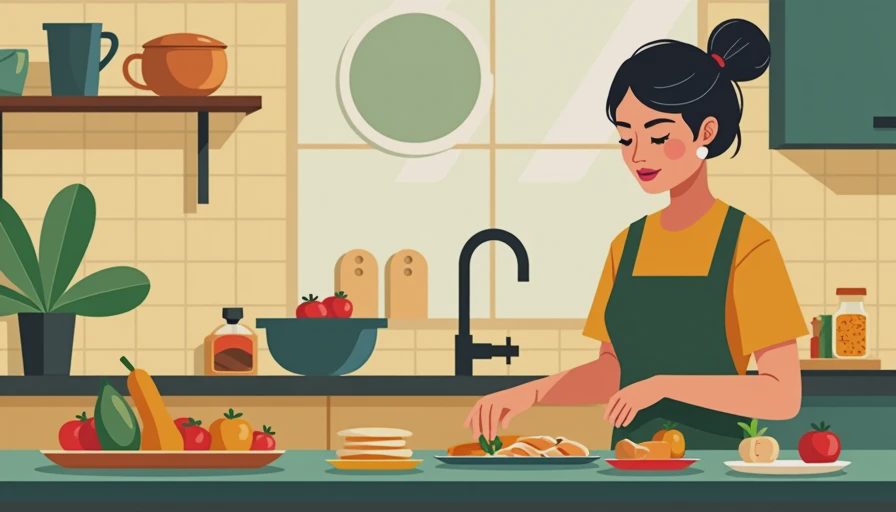
Easy toddler lunches you can make in 10 minutes
When I need easy toddler lunches, I reach for combinations that do not require a recipe. A small divided plate can hold mini meatballs, buttered pasta, and soft broccoli. A toasted English muffin can become a pizza with marinara and shredded mozzarella; microwave it briefly, let it cool, and cut it into strips. Cottage cheese with peaches and a few whole-grain crackers takes about two minutes.
For a no-cook option, roll turkey and cheese in a tortilla, slice it into pinwheels, and add applesauce plus thin cucumber strips. If your child dislikes sandwiches, deconstruct one: bread squares, cheese cubes, and shredded chicken can feel much more manageable than a pressed stack.
Leftovers are one of the best shortcuts. Keep a small container of cooked rice, roasted sweet potato, pasta, or shredded meat in the refrigerator. Add one fresh item and one familiar snack, and lunch is mostly done. I often make extra dinner portions because Mae is more willing to eat last night's salmon with rice at noon than she is to try a brand-new recipe.
Make-ahead ideas for the week
A little preparation can make weekday lunches calmer without turning Sunday into a meal-prep marathon. Choose two foods to prepare, not ten. On Sunday, I might wash berries and slice cheese. On Wednesday, I might bake a batch of egg muffins or cook a pot of pasta.
Egg muffins work well with chopped spinach, shredded zucchini, or leftover ham. Let them cool, refrigerate them in a sealed container, and warm one gently before serving. You can also freeze small pancakes, waffles, or meatballs. Place them in a freezer bag with the date, then thaw overnight or warm them until heated through.
For easy toddler lunches away from home, pack foods that hold their shape and do not require much cleanup. A small thermos can carry pasta, beans, or mild soup. An insulated lunch bag with an ice pack is useful for dairy, meat, and cut fruit. Pack water separately, and avoid sending more food than your child can reasonably see and handle. A mountain of choices can make a hungry toddler shut down.
I like to prepare a snack-sized portion first and add more if needed. This cuts waste and keeps the table from becoming a negotiation over three untouched containers.

What to do when your toddler refuses lunch
Refusal is part of toddler development, even when it arrives after you spent 40 minutes cooking. Appetite changes from day to day because growth is uneven, activity varies, and snacks can quietly fill the gap. One rejected meal does not tell you what your child will eat forever.
Serve the food, state what it is, and let your child decide whether and how much to eat. You can say, “There is chicken, rice, and cucumber. You can choose what you want.” Avoid making a second hot meal immediately, but include at least one food you expect your child may accept. If lunch is refused, you can offer the next planned snack later rather than chasing your child with bites around the house.
Be especially careful with pressure. “Just one bite” sounds small, but repeated pressure can make a food feel like a test. A toddler can look at a new vegetable, touch it, lick it, and still not eat it. Exposure counts. I have watched children ignore peas for weeks and then casually eat them when the novelty wore off.
Easy toddler lunches for daycare, outings, and busy afternoons
For daycare or a park day, think about temperature, mess, and independence. Soft fruit, mini pancakes, cheese, pasta salad without hard vegetables, and shredded chicken are generally easier to manage than saucy foods. Use a leak-resistant container and pack an extra familiar item for the trip home, because hunger often appears at the exact moment you have no clean hands.
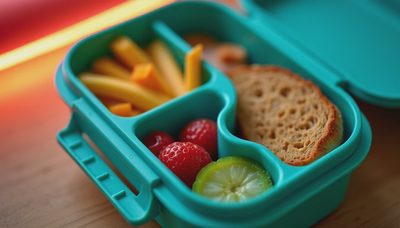
Try a lunchbox with small portions of cheese, crackers, blueberries cut as needed, and a bean-and-cheese quesadilla. Another option is a cold noodle bowl with sesame-free sauce if your child has allergies at school; always follow the program's food rules. For outdoor lunches, bring a washable mat, wipes, and water. The meal does not need to be Instagram-ready. It needs to survive the walk from the car to the playground.
If your toddler eats better at preschool than at home, that is common. Peer modeling, a predictable routine, and fewer distractions can help. You can borrow that structure by sitting together, turning off screens, and keeping lunch around the same time each day.
A realistic way to build the next lunch
Before opening the refrigerator, choose one reliable food. Then add one filling food and one fruit or vegetable. Check whether everything is cut safely, put a small portion on the plate, and sit down if you can. That process takes less energy than negotiating over a completely new meal.
Easy toddler lunches can be toast with egg, yogurt with oats and berries, or yesterday's dinner divided into three small sections. Some days your child will eat everything. Other days, the banana will be the only victory. Look at eating across several days rather than judging one plate.
If your child regularly coughs, gags, struggles with chewing, loses weight, has very limited accepted foods, or seems distressed by meals, bring specific examples to your pediatrician. Feeding support is available, and asking for help is not a parenting failure.
Most of the time, lunch is simply one more ordinary chance to practice. Keep the food simple, keep the pressure low, and remember that this is a season, not a race.

Travellers Write
No letters yet — be the first traveller to write.