Sibling competition can turn an ordinary morning into a wrestling match over the blue cup, the last banana, or who gets to sit next to you. If you are parenting a toddler and an older child, sibling competition is not proof that your children dislike one another or that you are doing something wrong. It is usually a noisy mix of limited impulse control, big feelings, and a very reasonable fear of losing your attention.
I spent eight years watching toddlers navigate crowded preschool rooms, and now I watch my own two children do it at home. The patterns are surprisingly similar. Children compete most intensely when they are tired, hungry, rushed, or unsure when they will get another turn. The goal is not to eliminate every argument. It is to make the arguments safer, shorter, and less personal.
Why sibling competition gets louder with toddlers
Toddlers do not yet have the brain development to calmly think, “My sibling had Mom first, but I will have a turn in five minutes.” They feel the unfairness immediately, while the future turn feels abstract. An older child may understand the schedule but still resent how often the toddler interrupts, spills, or receives help.
Attention is often the prize. A child may grab a toy because the grabbing guarantees that an adult will look over. Another child may suddenly need help putting on a shoe because a sibling is sitting in your lap. That behavior can look calculated, but it is often an inefficient request for reassurance: “Do I still matter when the baby, toddler, or other child needs you?”
Sibling competition also grows during transitions. Bedtime, school pickup, dinner preparation, and getting out the door all reduce your available patience. Add one child refusing pajamas and another asking for a snack, and everyone is operating with an empty emotional battery. Naming that pattern helps you prepare instead of taking each clash as a surprise.
Start with connection before correction
When a child is shouting, “Move! You are not my friend!” a long lesson about kindness usually bounces off. First, move close and keep bodies safe. You might say, “I will not let you hit. You wanted the truck, and your brother has it.” This acknowledges the desire without handing over the toy or approving the hitting.
Then give a short, concrete next step. “You can wait beside me, choose the train, or ask for a turn.” Toddlers do better with two or three visible choices than with a speech about sharing. If both children are pulling on the same object, hold the object calmly and say, “The truck is not safe to pull. I am helping.” Your steady voice is part of the intervention.
Try to offer small deposits of individual attention before the predictable flashpoints. Two minutes of looking at a book while breakfast cooks can help. So can narrating a child’s effort: “You waited while I helped Mae with her sock. I saw that.” These moments do not need to be elaborate or equal down to the second. Children need evidence that they are noticed, not a courtroom-style division of your time.

Build routines that reduce the contest
A family does not need a color-coded schedule for every minute, but predictable rituals can lower sibling competition. Use a simple turn-taking phrase, such as “First Ollie, then Mae,” and repeat it without adding a new explanation each time. A kitchen timer can make the waiting period visible, although some toddlers will still object when it rings. The timer is a support, not a magic wand.
Create protected spaces for possessions. Your six-year-old may reasonably have small Lego builds that a two-year-old cannot touch. Put those projects on a high shelf or behind a baby gate instead of expecting the older child to share every special item. Likewise, keep a few toddler-safe baskets available so the younger child has something to do while the older one plays.
Be thoughtful about forced sharing. If a child is actively using a toy, requiring an instant handoff can make ownership feel precarious. Instead, teach a turn: “You are using it. When you are finished, Mae can have a turn. Mae, you can wait or choose this puzzle.” A child can practice generosity without being required to surrender every object on demand.
What to say during common fights
When both children want your lap, try, “There is one lap, and there are two children. Ollie can sit on my left, and Mae can hold my hand.” If one child says, “You love her more,” avoid arguing about the feeling. Say, “It feels that way right now because I am helping her. My love is not a pie that runs out.” Then follow with a specific connection: “After I zip her coat, I want to hear your story.”
When a toddler destroys an older child’s work, attend to the child who was affected before launching into a lecture. “You worked hard on that tower, and it fell. That is upsetting.” Then help repair what can be repaired and move the toddler to a safer activity. This does not mean the toddler is favored; it means you are responding to the immediate harm in order.
When the same conflict repeats, change the environment. If the kitchen stool causes daily pushing, use one stool and a waiting spot, or bring the activity to the floor. If bath time creates constant arguments over cups, provide two similar cups or remove the most fought-over one for a week. Small design changes often work better than repeated reminders.

Protect the relationship without demanding friendship
You can guide sibling competition without insisting that your children play together all day. Parallel play counts. One child coloring at the table while another builds with blocks nearby is a perfectly useful form of being together. Look for brief moments of cooperation rather than expecting a permanent best-friend relationship.
Point out genuine connection when you see it: “You brought her the yellow crayon. She was looking for one.” Keep the praise specific and quiet. Overdoing it can make children perform kindness for adult approval or feel watched whenever they interact.
Also protect one-on-one time with each child. A ten-minute walk to the mailbox, a bedtime song, or letting your older child help mix muffin batter can matter more than an expensive outing. With toddlers, predictable connection is often more powerful than novelty. Put these small rituals on the family calendar if your days are chaotic.
When to get extra support
Frequent arguing is normal, but seek guidance if one child is regularly afraid of another, injuries are escalating, sleep is being severely disrupted, or aggression remains intense despite consistent supervision and limits. A pediatrician can help you think through behavior, temperament, language delays, or other stressors. You can also ask a childcare provider what they observe in group settings.
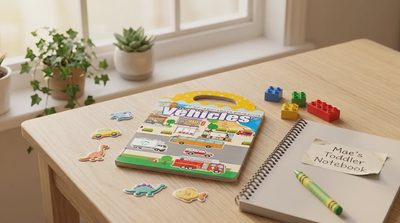
Bring concrete notes rather than a vague report that they “fight constantly.” Record when conflicts happen, what came before, how long they lasted, and what helped. My toddler field notebook has been useful for spotting patterns around hunger and late naps. You do not need perfect data; three or four days of observations can reveal a lot.
Sibling competition is a season, not a verdict on your family. Keep bodies safe, name the feeling, adjust the setup, and make room for small moments of individual connection. Some days you will calmly coach a turn, and other days you will separate two children while dinner burns. Both days count as parenting. With repetition, your children gradually learn that attention is not something they have to steal and that conflict can end without anyone losing their place.


Travellers Write
No letters yet — be the first traveller to write.