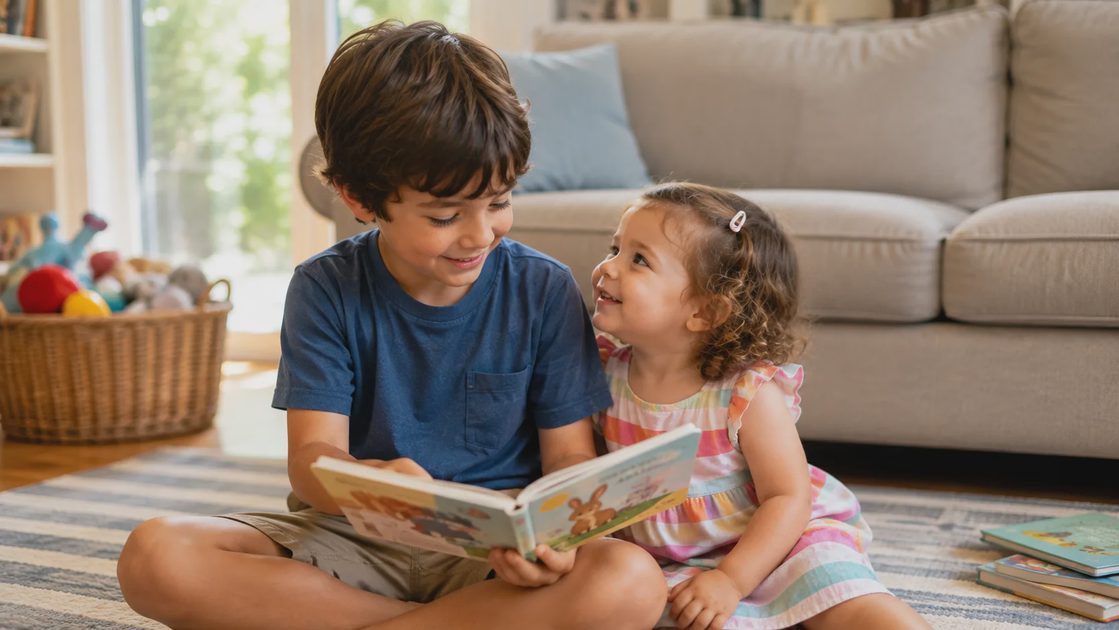
When Mae was born, Ollie was four — old enough to leave the crib, young enough to feel the loss. I had read every article about transitioning toddler to big kid bed, and I thought I was ready. I was wrong about a lot of things. The bed swap was the easy part. What I was not ready for was the big-kid regression, the jealousy that showed up as extra love instead of anger, and the way two kids in two different developmental stages would reshuffle every routine Mike and I had carefully built. Nobody tells you that adding a second child is less about the baby and more about the older one finding their footing all over again.
The Big-Kid Regression Nobody Warned Me About
Here is the truth I did not see coming: the older kid has a harder adjustment than the toddler. Everyone fusses over the new baby — grandparents, neighbors, coworkers — they all show up with casseroles and onesies. Meanwhile, your four-year-old is sitting in their new big kid bed wondering why nobody is making a fuss over them. Ollie's regression was not dramatic, but it was real, and it lasted about six weeks.
When Ollie Wanted to Be a Baby Again
For those six weeks, Ollie did things he had not done in a year. He wanted to be carried more. He asked for a bottle at bedtime — he had been using a cup for months. He started waking at night, which he had not done since he was two. My field notebook from that stretch looks almost identical to a newborn log: Mae's feedings on one side, Ollie's night wakings on the other.
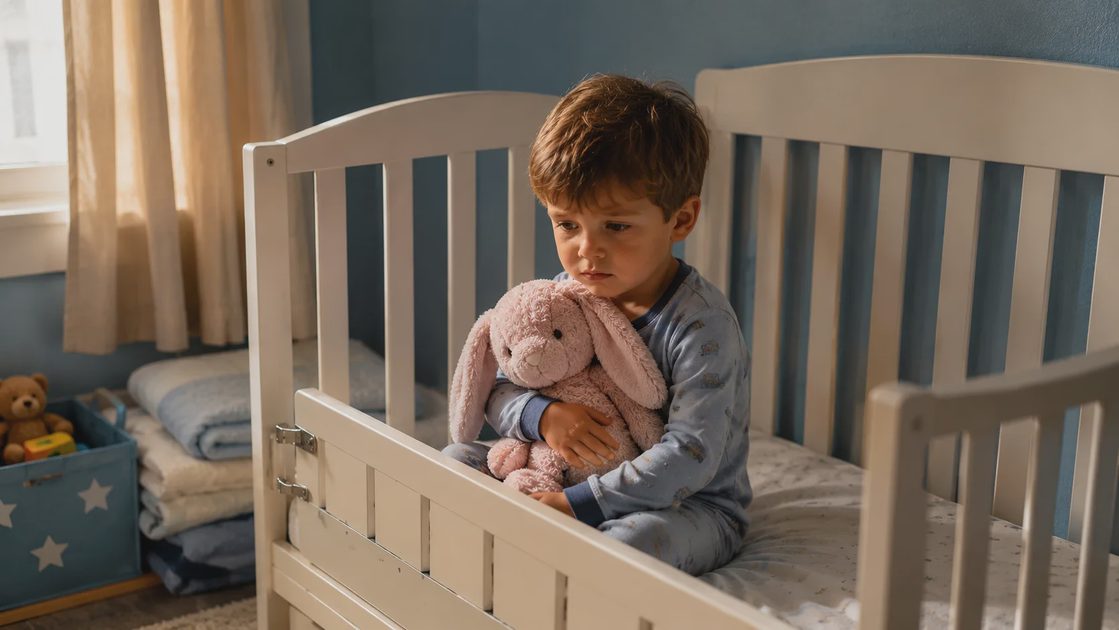
The hardest moment was when he climbed into Mae's empty crib one afternoon while she was napping in my arms on the couch. He just sat in there, holding her stuffed rabbit, looking small. He did not say anything. He did not need to.
Making Space — The Bed, the Room, the Attention
The logistics of adding a second child are manageable. The emotional logistics are where it gets complicated. We had to physically make room — the crib moved to Mae's room, Ollie got a twin bed — but the harder work was making room in the daily rhythm for two kids who needed very different things at the same time.
The Bed Transition That Actually Worked
We made one decision that I credit with saving Ollie's adjustment: we moved him to the twin bed two months before Mae arrived. Not after. Before. He got to pick the sheets — dinosaurs, naturally. He got to practice sleeping in it while the crib was still set up in his room, empty and waiting. By the time Mae needed the crib, Ollie had already claimed his new bed as his own. He did not feel pushed out. He felt promoted.
That timing matters more than people talk about. When you are transitioning a toddler to a big kid bed because a baby is coming, the older child can experience it as displacement. Do it early enough that the bed becomes theirs by choice, not by necessity.
Dividing Attention Without Dividing Love
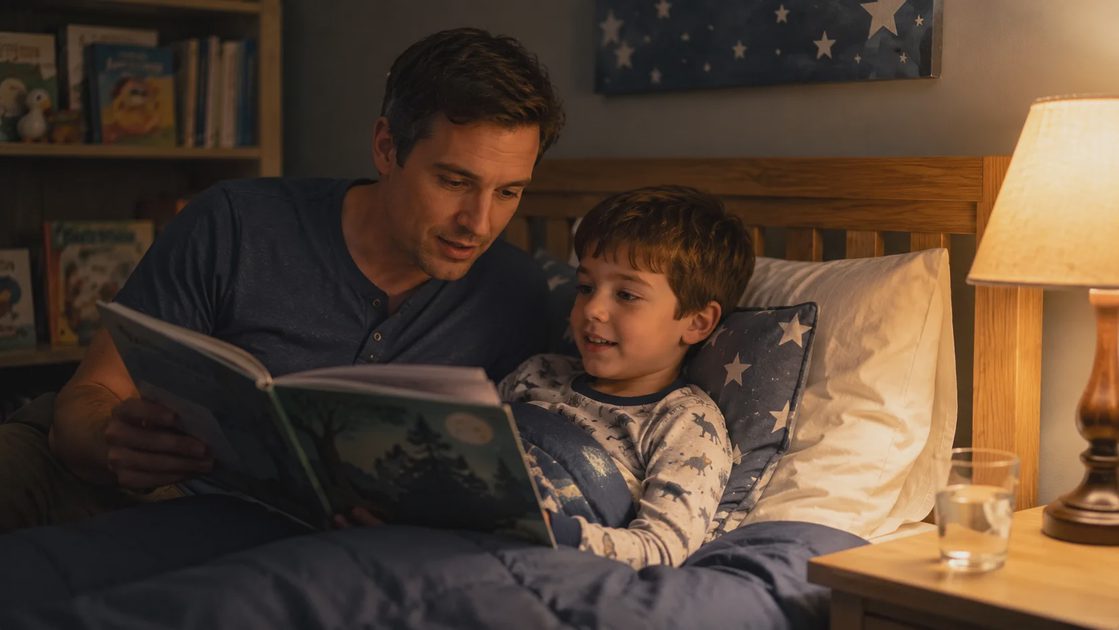
Mike and I made a rule that saved our evenings: one-on-one time every day, even if it was just 15 minutes. I would take Mae for bath and bottle while Mike read with Ollie. Then we would swap. Ollie got Mike's full attention for stories. Mae got mine for wind-down. Nobody was splitting their focus.
Was it exhausting? Yes. Did we hold to it every single night? No. But the structure helped Ollie know he would still get his time, and that predictability was what he needed most.
Things That Surprised Me About Two Kids
I was a preschool teacher for eight years. I thought I knew kids. Here is what still caught me off guard:
The big kid's regression was harder to manage than the newborn phase
Mae worshiped Ollie from day one in a way I did not expect
Jealousy showed up as extra clinginess, not hostility — Ollie never resented Mae, he just needed more of me
My teacher skills transferred about 60 percent of the time — the other 40 percent was new territory because these were my kids, not my students
The logistics got easier faster than I expected — by the time Mae was six months old, we had a working rhythm
I had less patience than I thought I would, and more love than I knew was possible
Sibling Dynamics by Age Gap
People ask me about spacing all the time in parent workshops. Here is the table I share, based on my classroom experience and what I have seen with the families I have worked with:
Age Gap | Common Dynamic | Main Challenge | Hidden Gift |
|---|---|---|---|
1–2 years | Both in diapers, similar daily needs | Exhaustion, competing demands at the same time | Built-in playmate develops sooner |
2–3 years | Older one is aware, younger one adores | Big-kid regression is intense | Older one can "help" and feels valued |
3–4 years | Older one is more independent | Older one may feel replaced at preschool | Older one can communicate feelings verbally |
4+ years | Different life stages entirely | Harder to find shared activities | Older one is genuinely capable of helping |
Ollie and Mae are four years apart. That last row is our life. The challenge is finding things they both enjoy — a six-year-old and a two-year-old do not naturally play the same games. But the gift is real: Ollie can fetch a diaper, read Mae a board book, and make her laugh in a way nobody else can.
What Actually Helped
If I could boil it down to a few things that got us through the first year of two kids:
Protect the older child's routine like it is sacred — bedtime, story time, the walk to school, whatever anchor they had before the baby, keep it
Let them feel whatever they feel — Ollie was indifferent to Mae for the first three months, and that was fine. Do not force affection
Use your village — Mike took Ollie on Saturday morning hikes around Puget Sound while I stayed home with Mae. Those hours were oxygen for both of them
Accept that the transition from transitioning toddler to big kid bed to everyone settled in their own space takes time — sometimes months, sometimes a full year
It's a season, not a race. Ollie is six now and reads to Mae before her nap. She brings him his shoes when it is time for school. They have a relationship I could not have engineered, and I stopped trying to. My job was to hold the space for both of them while they figured each other out. That is still my job — just with fewer bottles and more band-aids.


Travellers Write
No letters yet — be the first traveller to write.