Finding dinner ideas for 1 year old toddlers can feel strangely complicated. You are feeding a small person who wants the same food you eat, but who still needs soft textures, manageable pieces, and close supervision. At the end of a long day, you do not need a separate gourmet menu. You need a few dependable meals that can be adjusted for your child and served without turning the kitchen into a second job.
At this age, meals are practice as much as they are nutrition. Your 1-year-old is learning to chew, scoop, sip, and decide what feels comfortable. Some nights they will eat chicken, peas, and rice with great enthusiasm. Other nights, they will inspect one noodle and drop it beside the dog. Both nights can be normal. It's a season, not a race.
A simple toddler dinner formula
The easiest way to create dinner ideas for 1 year old children is to combine three parts: a filling food, a fruit or vegetable, and a soft source of flavor or fat. The filling food might be pasta, rice, potato, beans, shredded meat, egg, or tofu. Produce can be steamed broccoli, roasted sweet potato, ripe avocado, banana, berries cut into safe pieces, or soft zucchini.
You do not need every food group perfectly balanced on every plate. Think across the day instead. A dinner with scrambled egg, buttered toast, and sliced pear can be perfectly reasonable, especially if lunch included yogurt and vegetables. Add water in an open cup or straw cup. If your child drinks whole milk, it can be part of the day, but large amounts right before dinner can take the edge off hunger.
Serve a small portion first, such as one tablespoon of each food. You can offer more when your child finishes or asks. A child who sees a mountain of food may decide the meal is too much before tasting it. Small servings also create less cleanup when the inevitable floor experiment begins.
Seven easy dinner combinations
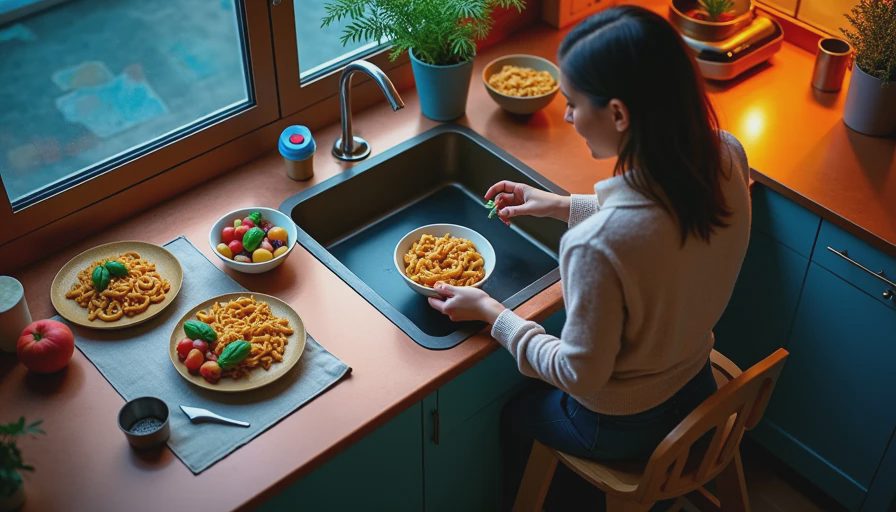
These dinner ideas for 1 year old toddlers are meant to be mixed and matched with whatever your family already buys. Try soft turkey meatballs with small pieces of pasta and peas. Cut the meatball into tiny, easy-to-grab pieces and moisten it with a little tomato sauce.
Another simple plate is flaked baked salmon, mashed potato, and soft green beans. Check carefully for bones, and keep the seasoning mild. A family taco bowl can work too: offer shredded chicken or black beans, mashed avocado, soft rice, and plain yogurt separately so your child can explore each item.
For a meat-free option, try scrambled egg with toast strips and finely chopped spinach cooked until tender. Lentil pasta with a smooth tomato sauce and grated cheese is another practical choice. If the sauce is messy, that is not a problem; messy eating is part of learning.
On a rushed evening, serve a deconstructed quesadilla. Use a soft tortilla with melted cheese, then add shredded chicken or mashed beans and avocado on the side. A baked sweet potato with cottage cheese and soft broccoli can also come together quickly. These are not fancy meals, but they are real food with enough variety to give your child useful practice.
Making family meals toddler-friendly
Most family dinners can become dinner ideas for 1 year old children with a few changes made before you add salt, hot sauce, or crunchy toppings. Set aside your child’s portion while the food is soft and simply seasoned. Then finish the adult meal with stronger flavors. This saves time and lets your toddler eat the same basic meal instead of a completely separate dinner.
Texture matters more than presentation. Cook vegetables until they can be squished between your thumb and finger. Shred meat rather than serving a firm chunk. Cut toast into strips, quarter round foods lengthwise, and mash beans lightly. Grapes and cherry tomatoes should be cut into small pieces, while whole nuts, popcorn, hard raw vegetables, and sticky spoonfuls of nut butter are choking hazards.
Stay seated with your child while they eat and keep the meal calm. A high chair pulled up to the table can help your toddler feel included. You do not need to pressure them to take one more bite. Offer the food, describe it casually, and allow your child to decide how much to eat. Appetite can change dramatically from one meal to the next.
What to do when dinner is refused
Many parents search for dinner ideas for 1 year old toddlers after their child rejects a meal they happily ate last week. This is frustrating, but refusal does not automatically mean the recipe failed. Toddlers are learning independence, and new teeth, tiredness, constipation, or a busy day can all affect appetite.
Keep one familiar food on the plate alongside the less familiar foods. If your child loves banana, that might be the familiar item, although you do not need to offer a favorite food at every meal. Avoid making a replacement meal immediately after a refusal, because that can turn dinner into a negotiation. You can calmly say, “This is dinner. You can eat what you want,” and move on.
A child may need repeated, low-pressure exposure before accepting a food. That does not mean you have to serve the same rejected vegetable every night. Rotate it into soups, omelets, pasta sauces, or family plates. Sometimes the child eats it; sometimes the dog gets lucky.
A realistic five-minute backup plan
When everyone is hungry, dinner ideas for 1 year old toddlers need to include emergency meals. Keep frozen peas, eggs, canned no-salt-added beans, whole-grain bread, avocado, plain yogurt, and frozen vegetables available. These foods can become dinner without a grocery trip.
For example, microwave a frozen sweet potato, mash it with beans, and add avocado. Or scramble an egg while warming peas and toast. Plain yogurt with soft fruit and a piece of toast can work for a very tired child, though it is helpful to keep offering savory foods at other meals. Leftover rice can be mixed with shredded chicken and finely chopped vegetables, then moistened with broth or sauce.
The goal is not to win a nutrition award at 6 p.m. The goal is to feed your child safely and preserve enough energy for bedtime. A simple meal served consistently is more useful than an ambitious recipe that leaves everyone overwhelmed.

Safety, portions, and when to ask for help
At 12 months, many children are ready to practice with a range of soft table foods, but chewing skills vary. Always consider your child’s abilities, sit nearby during meals, and follow guidance from your pediatrician if your child was premature or has feeding difficulties. Honey is generally avoided before 12 months, but after the first birthday it can be included in ordinary small amounts. Continue to prepare foods in shapes and textures your child can manage.
Speak with your child’s healthcare professional if meals regularly involve coughing, gagging beyond ordinary learning, wet or hoarse breathing, pain, very limited accepted foods, or concerns about growth. A feeding therapist or registered dietitian can offer practical help without turning every dinner into a test.
The best dinner ideas for 1 year old toddlers are flexible enough for real life. Serve one food your child knows, one food that offers practice, and enough softness to make eating manageable. Some evenings will be balanced plates; some will be toast, yogurt, and three bites of peas. Both count. You are building a routine, not producing a perfect performance.



Travellers Write
No letters yet — be the first traveller to write.