Children's sandwiches can be a wonderfully practical toddler lunch, especially on the days when everyone is hungry and nobody wants to negotiate with a plate of vegetables. I have served sandwiches at kitchen counters, in the car before preschool, and on a damp Seattle park bench while my two-year-old Mae carefully removed every visible speck of spinach. The goal is not a perfect lunch. It is a manageable meal with something your child recognizes, something filling, and as little stress as possible.
Start with a toddler-friendly sandwich formula
The easiest children's sandwiches begin with three decisions: a soft bread, a familiar filling, and one small addition from another food group. Whole wheat bread, soft pita, mini bagels, tortillas, and toasted English muffins can all work. Choose the texture your child is most likely to chew comfortably. A thick, crusty roll may be nutritious, but it is not useful if your toddler spends ten minutes gnawing one corner and then throws it.
For the filling, think in categories rather than recipes. Protein might be thinly sliced turkey, shredded chicken, mashed beans, hummus, egg salad, or sunflower seed butter. Add cheese, avocado, cucumber, or a thin layer of cream cheese if those foods are already familiar. You do not need to combine every category inside the bread. A turkey sandwich alongside strawberries and yogurt is still a balanced lunch.
Portion size matters more than sandwich artistry. Start with half a slice folded over or a small square cut into two pieces. A whole adult-sized sandwich can look overwhelming to a toddler, even when the child is hungry. You can always offer more after the first portion disappears.
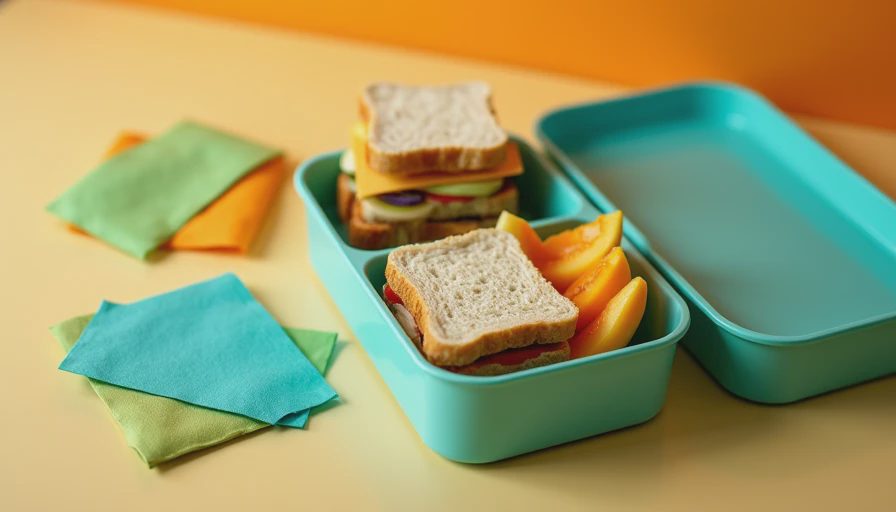
Children's sandwiches for picky eaters
Picky eating often makes a plain sandwich the safest bridge to a fuller meal. If your child accepts bread but rejects mixed textures, serve the components separately. Put bread triangles, cheese cubes, and chicken strips on the same plate instead of insisting that everything stay assembled. Deconstructed children's sandwiches are not a parenting failure; they are a useful way to let a toddler explore food without losing the familiar part.
When Mae was refusing anything with sauce, I stopped spreading mayonnaise and placed a tiny dip cup beside her plate. Some days she dipped. Some days she ignored it. Both were fine. Exposure does not have to look like eating. Seeing hummus, avocado, or a new bread beside a preferred food still gives a child information and keeps the meal from becoming a performance review.
Try changing only one feature at a time. Keep the bread and filling familiar while changing the shape, or keep the shape familiar while introducing a new spread. If you change bread, filling, temperature, and presentation all at once, you will not know what caused the rejection. Toddlers like novelty in theory and predictability at the table.
Filling ideas beyond the usual lunch meat
A few reliable children's sandwiches can come from foods already in your refrigerator. Mash a hard-boiled egg with a little plain yogurt and serve it thinly between soft bread. Combine shredded chicken with avocado. Spread hummus under a layer of grated cheese. Add thinly sliced banana to sunflower seed butter, provided your child has safely eaten each ingredient before. For a warm option, make a small grilled cheese and let it cool before cutting it into manageable strips.
Peanut and tree nut products require extra care. If your child has not tried a particular allergen, introduce it in an appropriate setting and follow your pediatrician's guidance, especially if there is a family history of food allergy. Sunflower seed butter is a useful alternative for many families, but it still needs to be introduced thoughtfully. Always check preschool or daycare rules before packing spreads or foods that are restricted there.
Avoid fillings that are hard, round, sticky, or difficult to chew. Whole grapes, chunks of raw carrot, and large pieces of meat can create choking risks and do not belong inside a toddler sandwich. Slice grapes lengthwise, grate firm vegetables, shred meat, and cut sandwiches into narrow strips or small pieces based on your child's eating skills. Keep your child seated and close while eating.
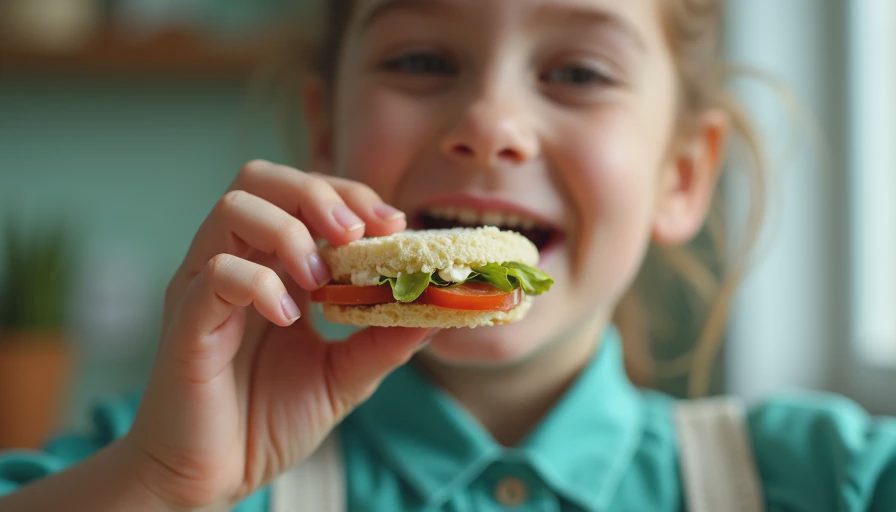
Make children's sandwiches easier to eat
Presentation can help, but you do not need a drawer full of sandwich cutters. A regular knife makes squares, strips, or four small triangles. If your child dislikes crusts, remove them for now and save the trimmings for breadcrumbs or a parent snack. If your child likes crusts, leave them on. There is no nutritional prize for choosing one approach.
Temperature and moisture are often the hidden problems. A cold cheese sandwich may be acceptable while a warm one is rejected, or a juicy tomato may make bread soggy by lunchtime. Pack wet ingredients separately when possible. Let toasted bread cool before adding fillings so steam does not soften it. For a lunchbox, place the sandwich in a small reusable container with a cold pack and include a napkin for messy hands.
Offer one dependable food with the sandwich. That might be berries, applesauce, roasted sweet potato, peas, yogurt, or leftover pasta. A familiar side gives your child a way into the meal without requiring the sandwich to carry the entire lunch. Keep portions modest: two or three sandwich pieces, a small side, and water is often plenty for a toddler.
A low-stress lunch routine
I find children's sandwiches work best when lunch follows a predictable rhythm. Wash hands, let your child choose between two acceptable options, sit together, and allow enough time to eat without rushing. You might ask, Would you like turkey or egg today? That is different from asking what your toddler wants for lunch when the answer may be cookies, a banana, or nothing at all.
Try not to chase bites, bargain over vegetables, or replace the meal immediately with a preferred snack. A child can decide how much to eat from what you provide. If lunch is refused, calmly clear it after the usual eating window and offer the next planned snack later. This is not about making a toddler go hungry. It is about avoiding an all-day cycle of grazing that leaves no appetite for meals.
Children's sandwiches for real family life
The best children's sandwiches are the ones you can make on an ordinary Tuesday. Keep bread in the freezer, portion cooked chicken when you make dinner, and store washed fruit where your child can see it. Five minutes of preparation can turn a frantic lunch into bread, filling, fruit, and water. Let an older toddler spread hummus with a dull butter knife or place cheese on bread, with close supervision. Participation often makes an ordinary meal feel more interesting.
You may have a week when your child eats only cheese sandwiches, followed by a week when cheese is suddenly unacceptable. That swing is common. Keep offering variety without turning each meal into a test. Watch the overall pattern across several days rather than judging one lunch. If eating is extremely limited, painful, accompanied by frequent coughing or gagging, or affecting growth, bring those concerns to your pediatrician or a feeding specialist.
Children's sandwiches do not need to be clever, colorful, or hidden behind a fun shape. They need to be safe, reasonably nourishing, and repeatable when you are tired. Offer a small portion, add a familiar side, and let your child have some control. It's a season, not a race, and lunch does not have to be the place where you win every battle.



Travellers Write
No letters yet — be the first traveller to write.